THE Australian Government has opened the door for imports of beef from the United States saying it is satisfied with traceability programs put in place by the US industry, while the Australian industry is calling for a review of the process.
While US beef has technically not been banned from Australia since 2019, country of origin labelling requirements ensuring that beef has not come from Canada or Mexico have prevented it from being able to export to Australia.
Today’s announcement will allow for expanded access to include beef sourced from cattle born in Canada or Mexico which is legally imported and slaughtered in the US. Beef Central understands US exporters will have to demonstrate full traceability back to the farm gate to enter Australia.
“The Albanese Labor Government will never compromise on biosecurity. The US Beef Imports Review has undergone a rigorous science and risk-based assessment over the past decade,” agriculture minister Julie Collins said.
 “The Department of Agriculture, Fisheries and Forestry is satisfied the strengthened control measures put in place by the US effectively manage biosecurity risks.
“Australia stands for open and fair trade – our cattle industry has significantly benefited from this.”
The Australian Government has been under pressure from United States President Donald Trump to lift the restrictions, with the president acting on lobbying from US cattle industry groups. Australian beef is currently heading across the Pacific in record volumes with the trade last year worth $14 billion.
Cattle Australia calls for independent review
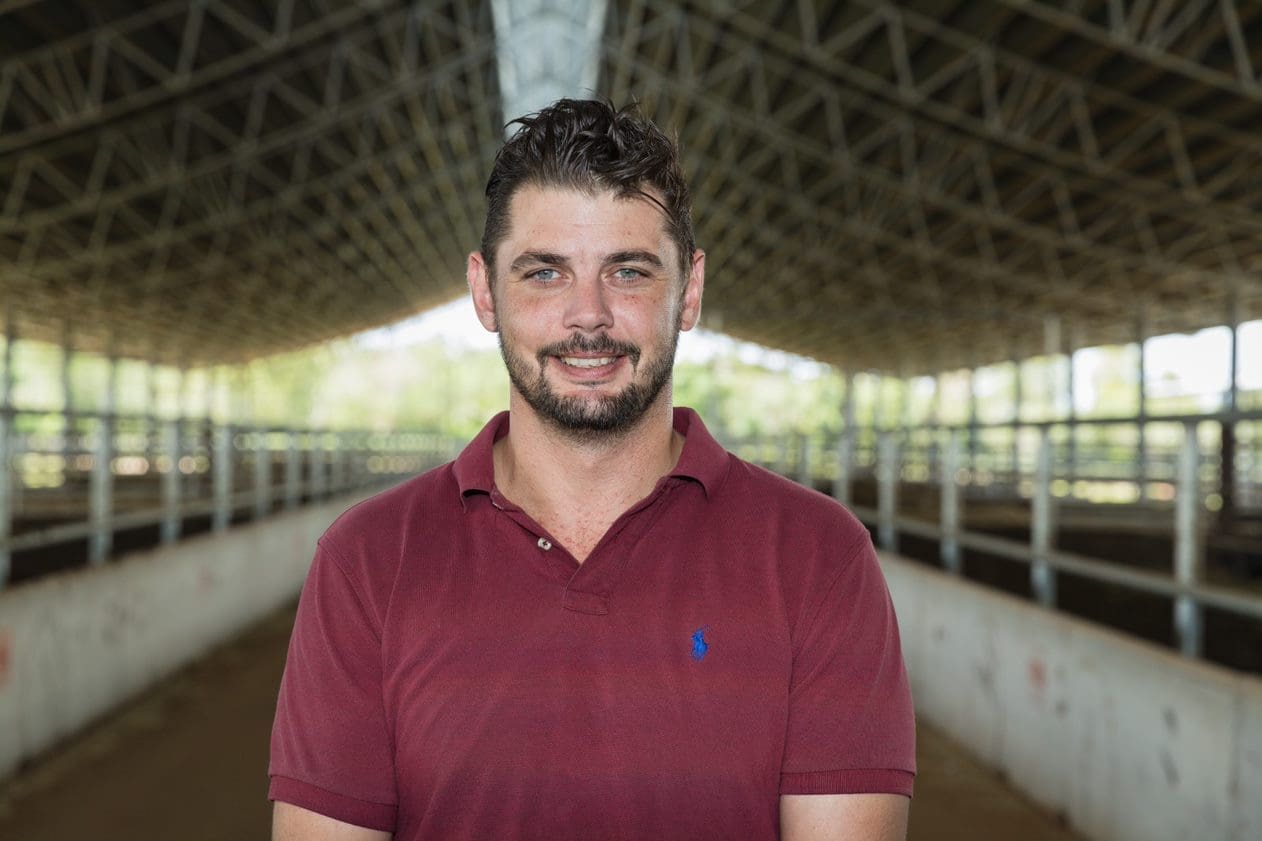 Cattle Australia chief executive officer Will Evans said while the Minister and the Department of Agriculture, Fisheries and Forestry have provided assurance that cattle born and raised in either Mexico and Canada before slaughter in the US will comply with Australia’s standards for biosecurity and food safety, the highest level of caution must be exercised to protect Australia’s beef industry.
“Cattle Australia has consistently said biosecurity assessments must be based on the best available scientific evidence and must be equivalent.” Mr Evans said.
“While we have been given assurances, and the Minister for Agriculture Julie Collins earlier today said she has full faith in the robustness of her department’s biosecurity assessment and the ability of her officials to have undertaken this assessment appropriately, we believe an independent scientific assessment is a sensible and prudent way forward. This must occur before imports commence.
“There is simply too much at stake when it comes to Australia’s world-leading biosecurity status not to get a second opinion. Given the Minister’s confidence she should have no issue appointing an independent panel to take the highest level of precaution in protecting the Australian beef industry.”
Science must remain the cornerstone, AMIC
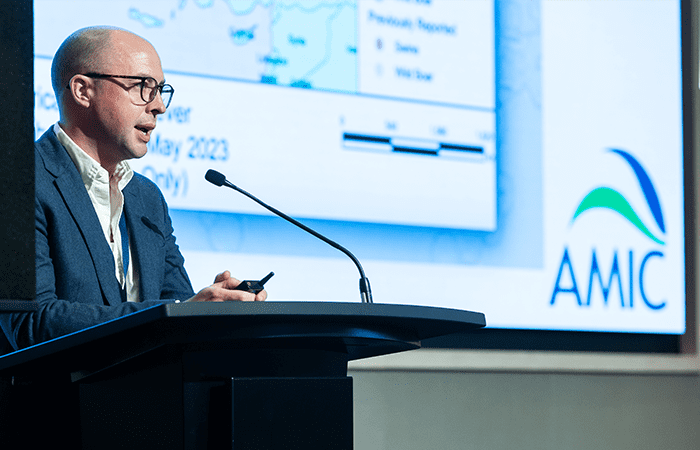
AMIC CEO Tim Ryan
Australian Meat Industry Council CEO Tim Ryan said Australia’s red meat sector was deeply integrated with global markets and relies on science-based decisions from trading partners to maintain export access. He said the same circumstance must apply for imports.
“Science must remain the cornerstone of technical market access decisions. A rules-based approach strengthens our international credibility and ensures that Australia’s food safety and animal health systems continue to be among the best in the world.”
“This progress on the US’s access request demonstrates Australia’s consistency in applying internationally recognised standards, which is vital to the long-term sustainability of our sector.” he said.
“AMIC will continue working with government and industry stakeholders to ensure that imported beef complies fully with all Australian requirements, and that biosecurity, food safety and systems equivalence remains a top national priority.
Nationals back call for a review
Nationals leader David Littleproud and deputy leader Kevin Hogan have also called for an indpendent review of the process undertaken by the Federal Government.
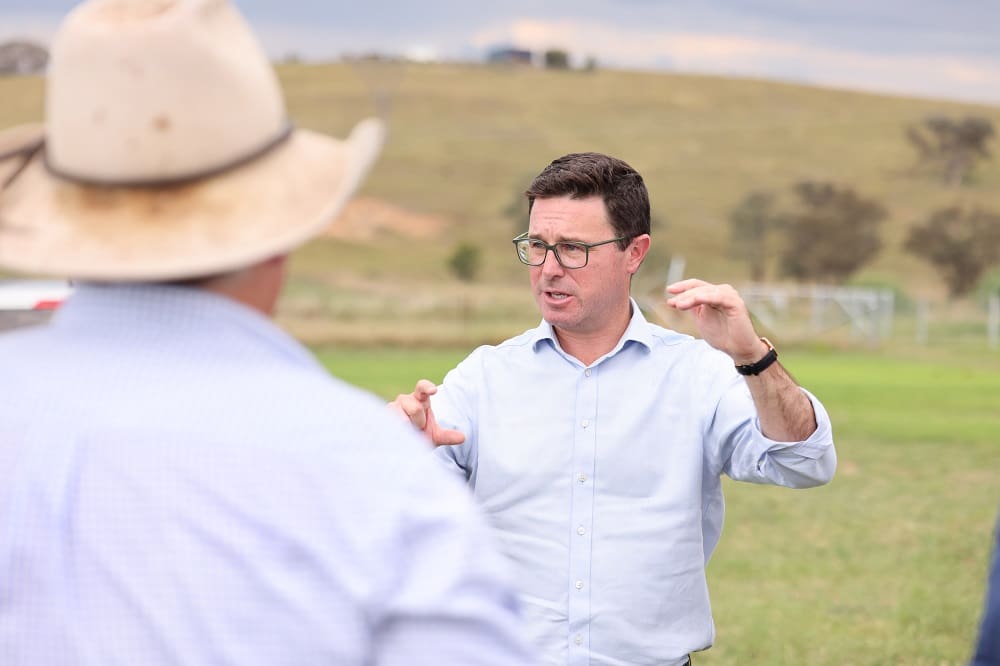
David Littleproud
“Labor’s decision has more questions than answers and is unconvincing,” Mr Littleproud said.
“I believe Labor’s announcement needs to be independently reviewed, with an independent panel set up by industry, to review the science behind the decision.
“The Government still hasn’t released the protocols to be put in place, despite this apparently being a long, scientific process. I am suspicious about the speed of this decision and the secrecy of this decision. I am concerned we could be sacrificing our high biosecurity standards for Prime Minister Anthony Albanese to obtain a meeting with US President Donald Trump.”
Shadow Minister for Trade, Investment and Tourism Kevin Hogan said Labor also needs to rule out trading away other commodities, such as pork.
“We need to know if the biosecurity requirements placed on US beef are equivalent to the biosecurity requirements Australian beef must meet when exported to the US,” Mr Hogan said.
“The United States uses cattle from Mexico and Canada in their supply chain, which poses a potential risk to our industry. Ignoring those risks would be dangerous. It is critical we have confidence in the decision and in the protocols and veterinary inspections put in place.”
ALFA acknowledges risk assessment process
Australian Lot Feeders’ Asociation CEO Christian Mulders said:

ALFA chief executive Christian Mulders
“The US has had access to the Australian market since 2019, provided it could verify its beef came from within the US. Following the USA’s request to include cattle sourced from Canada and Mexico, the Australian Government rightly undertook a further risk assessment to ensure Australia’s biosecurity and food safety requirements would not be compromised.
“The Australian Government’s final report on its risk assessment concludes that USA control measures, including those covering importation of cattle from Canada and Mexico, are ‘rigorous’ and ‘address Australia’s biosecurity concerns’.
“As a trading nation and major beef exporter, ALFA advocates for free trade based on international rules, which includes beef entering Australia so long as it meets our import requirements.
“Protecting our biosecurity status and ensuring beef imports into Australia do not compromise our reputation is a key priority for ALFA and our industry. Getting the balance right so our industry can continue to enjoy the benefit of exporting our product globally is essential.
“We acknowledge the conclusion of the Government’s science-based risk assessment process and their assurance that US controls in place address Australia’s biosecurity concerns and will continue to protect Australia’s biosecurity status following reinstatement of beef imports from the USA into Australia.”
Free and fair trade relies on reciprocal recognition of standards, NFF
National Farmers’ Federation president David Jochinke said:

David Jochinke
“The National Farmers’ Federation (NFF) acknowledges the Australian Government has lifted trade restrictions on beef from cattle raised in Mexico or Canada, and processed in the United States, and subsequently exported to Australia.
“The US has had access to the Australian market since 2019, provided it could verify its beef came from cattle born, raised, and slaughtered in the US.
“The report released today is the result of a long-standing, science-based review by the Australian Government into the biosecurity risks posed by cattle raised in Canada and Mexico, but processed in and exported from the US.
“The NFF’s been clear that the revised request from the US needed to undergo the standard, science-based assessment to protect our biosecurity, and should be dealt with separate from any tariff negotiations. The Australian Government has assured industry that they have undertaken the standard, science-based review process to protect Australia’s biosecurity.
“Australia’s relationship with the US is deep and multi-faceted, underpinned by the Australia-United States Free Trade Agreement. Free and fair trade relies on the reciprocal recognition of trusted standards and processes between trading partners.”
- For a full look at the Government’s assessment of US imports click here