
THE volume of muscle an animal possesses has a direct influence on the percentage of red meat yield extracted from a carcase.
This earlier genetics column on muscling highlighted the research that has been done in selection for muscle, and the corresponding impact it has on animal value. In any discussion on selection for increased muscling, there is often an undercurrent of concern among producers that increased muscling will increase the risk of introducing or increasing the frequency of myostatin or double-muscled genes.
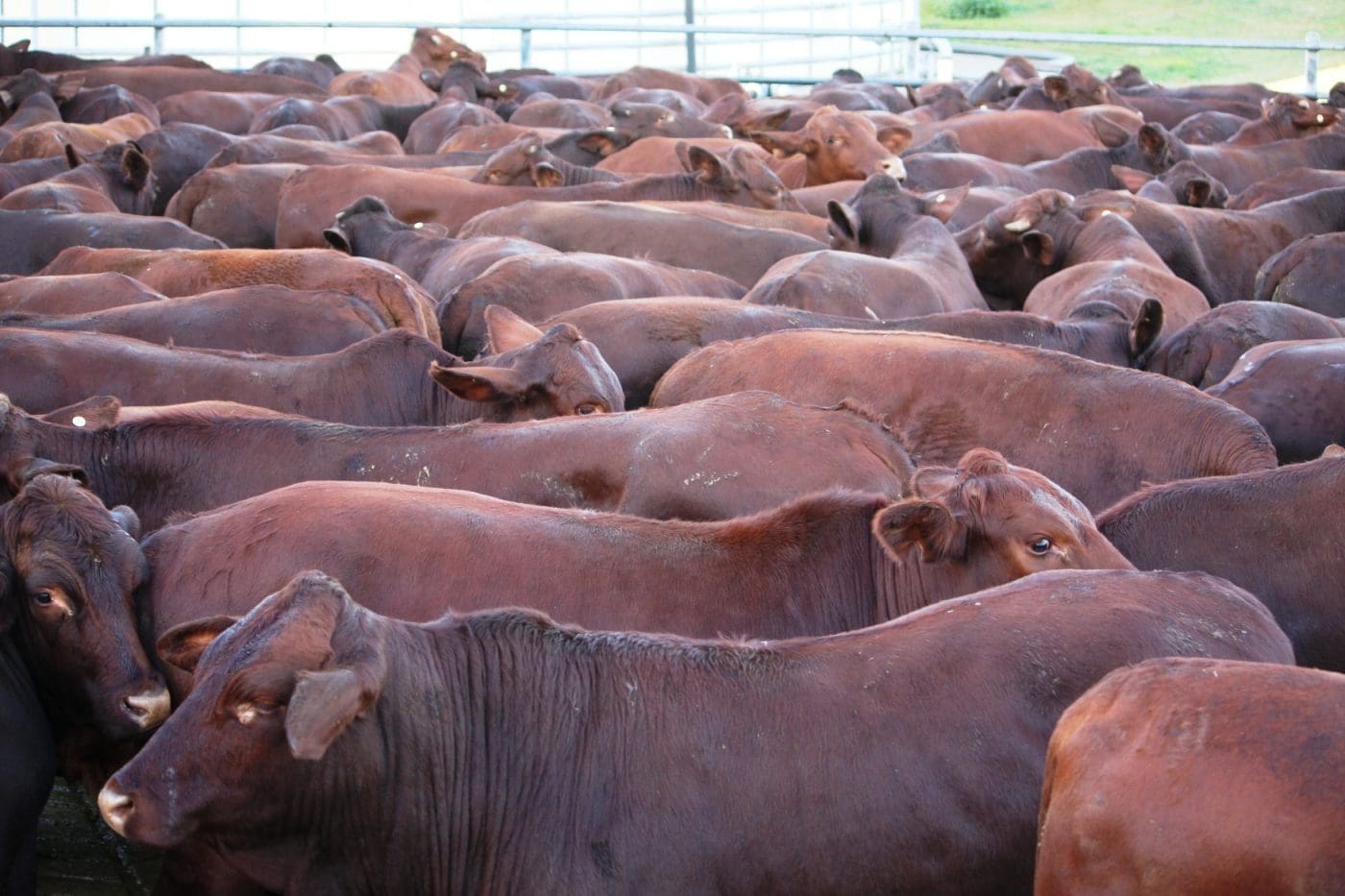 The myostatin gene regulates how much muscle an animal can develop. Variants that reduce or switch off its function can produce what’s commonly called “double muscling”: higher dressing percentage and leaner carcases, but with increased risks of dystocia and, in breeding herds, reduced fertility.
Two well-known variants are NT821 (del11) and F94L. NT821 shows the strongest association with calving difficulty; F94L is generally milder. Animals with two copies of a disruptive variant show the most pronounced effects.
This poses a slight challenge for producers seeking to increase muscle volume. Earlier NSW DPI research showed that it is possible to increase muscle volume without the genes that impact the function of myostatin.
However animals that have one copy of the variant often display desirable muscle volume. In selecting new sires, there can be a risk that bulls with more superior muscling may possess a single copy of the Myostatin variants. A single copy is unlikely to present significant risks to breeding herds. However, when the presence of the variation is unknown, the risk of joining to other carriers already in the herd can be considerable.
Awareness focussed on British and Euro breeds
Awareness of the risks associated with variations of the myostatin gene has traditionally focussed more on British and European breeds. However, with more northern producers seeking to increase muscling or to start using composite breeds, attention has been focussed on the status of myostatin within tropical breed types.
At this year’s conference of the Association for the Advancement of Animal Breeding & Genetics (AAAGB) in Queenstown New Zealand, Kirsty Moore and David Johnston from the Animal Genetics and Breeding Unit (AGBU) and Tim Grant from Queensland DPI presented the results from research into myostatin and its variants conducted using cattle within the Repronomics Project.
The data used in the project was collected from 5646 animals, representing 2544 Brahmans, 2188 Droughtmasters and 904 Santas. These animals were all genotyped and tested for nine myostatin variants.
The project found that within Brahman there were no myostatin variants. However in both Droughtmaster and Santa Gertrudis, the NT821 and F94L variants were detected. It’s considered likely that these variations were introduced with the Bos Taurus genetics in the development of these breeds.
Animals with at least one copy of a myostatin variant (NT821 or F94L) were found in about 17pc of Droughtmasters and 26pc of Santa Gertrudis in the dataset. Animals with two copies were rare (less than 1pc).
Northern herds bear greater costs from unmanaged dystocia. There is a valid concern that stronger selection for carcase yield could, without genotype information, nudge NT821 frequency upward.
The risk is higher when the status of sires and key females is unknown. Purchasing sires from composite or southern lines can also introduce NT821 or F94L, unless their status is disclosed and managed.
Beef breeders should treat the NT821 variant as a managed recessive, geneticists suggest. Using a carrier sire over untested cows creates the chance of two-copy calves, roughly 3-5pc per calf on breed averages (about 3.6pc in Droughtmasters and 5.2pc in Santas). As a practical recommendation, producers should not mate carrier-to-carrier and avoid carrier sires over maidens and smaller-framed cows.
Lack of reporting
Most sale catalogues (both in southern and northern regions) don’t report myostatin status. This is an area that could be considered a risk for many producers seeking to avoid potential genetic problems.
For seedstock breeders, routine MSTN testing (at least NT821 and F94L) is low cost, removes downstream calving risk for clients, and builds trust in the same way EBV transparency does. In publishing status, seedstock breeders can provide greater support to their clients as this will allow them to allocate matings confidently. It also reduces the chances that those sale bulls are linked, fairly or not, to avoidable dystocia in commercial herds.
However, the responsibility shouldn’t be solely left with seedstock breeders. Commercial producers should start asking for MSTN status as part of their buying checklist. If a catalogue doesn’t list it, request the test result before purchase or treat the status as unknown and manage risk accordingly, is the best advice from geneticists.
Potentially, in normalising MSTN reporting, the industry could capture carcase gains through EBV-driven selection while containing reproductive risk.

Alastair Rayner
Alastair Rayner is Principal of RaynerAg and an Extension & Engagement Consultant with the Agricultural Business Research Institute (ABRI). He has over 28 years’ experience advising beef producers and graziers across Australia. Alastair can be contacted here or through his website: www.raynerag.com.au