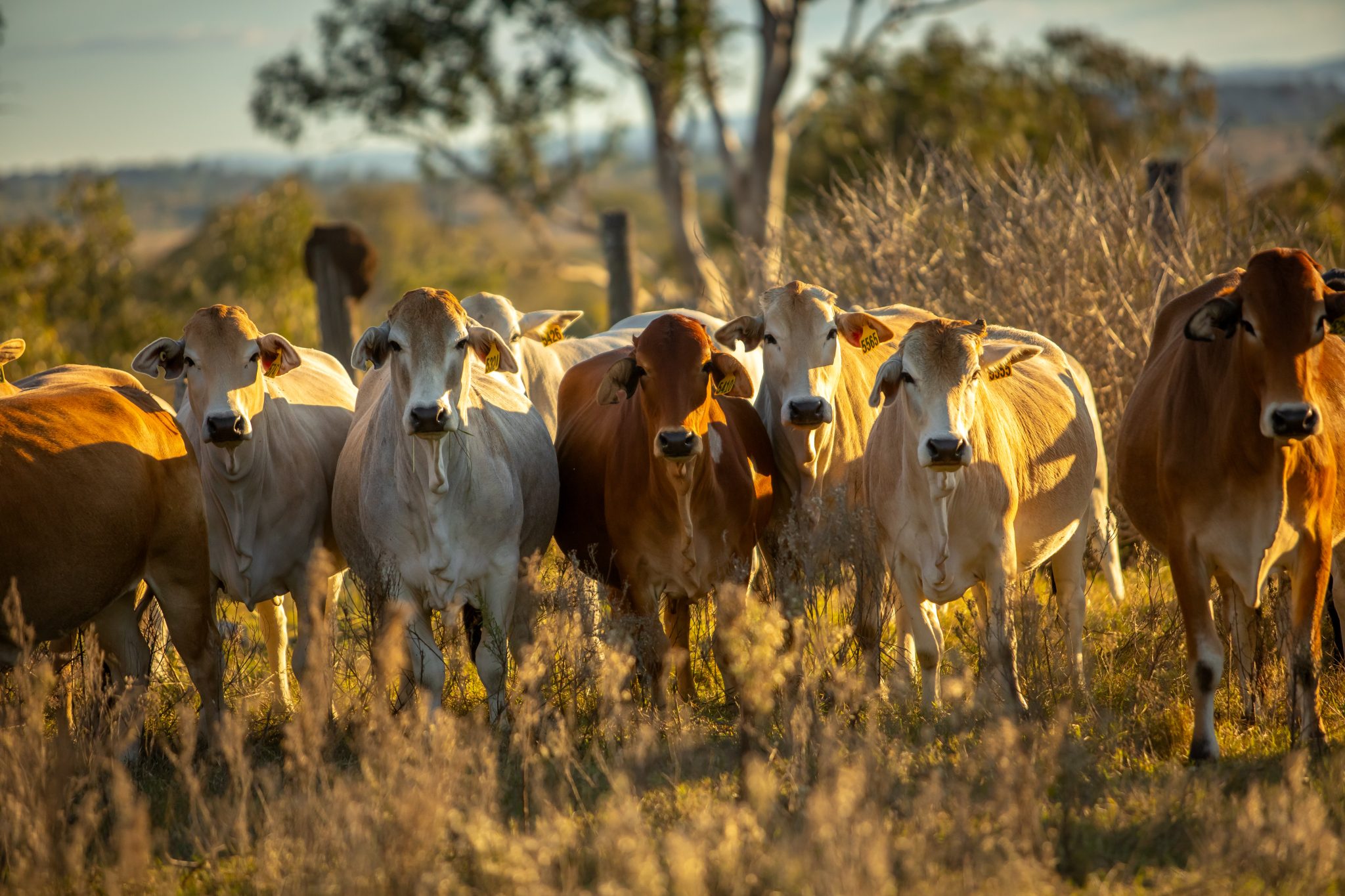
WITH increased uptake of Bos taurus breeds across the North, it raises the question: are Brahmans becoming obsolete?
But that question overlooks something fundamental, there is truth in the cliché ‘there’s just as much variation within a breed as there is between them’. Identifying and sourcing functional, efficient and fertile Brahmans at the front end of the breed have plenty to offer profit focused producers.
According to the Nutrient Requirements of Domesticated Ruminants (CSIRO), Bos indicus cattle require 14% less maintenance energy than Bos taurus animals of the same age, sex and weight. Given maintenance makes up a large share of intake, and methane production is tightly linked to intake, this contributes directly to lower emissions intensity per kilogram of beef produced.
That advantage holds real weight, whether in maintaining a Brahman herd or injecting Bos indicus influence for hybrid vigour. But it’s only realised with deliberate genetic selection, Brahman genetics selected for fertility and functional efficiency offer meaningful commercial benefit.
The common comparison to Bos taurus breeds in terms of fertility and growth, is acknowledged and in average Brahman animals, lower maintenance costs may not fully compensate for losses in other areas. But that’s not the whole picture. When Brahmans are consistently selected for fertility and functional efficiency, where fertility is recognised as a key profit driver and performance is proven under commercial pressures, the equation changes.
Without that pressure to evolve even the strongest market positions are at risk of becoming obsolete. Think Kodak. Think Blackberry. At their peak they were perceived as essential, Kodak held 90% of the US film market and Blackberry over 40% of the global mobile market. Neither lost relevance because their products stopped working. They lost relevance because they stopped evolving with the needs of the consumer, they ignored a critical shift.
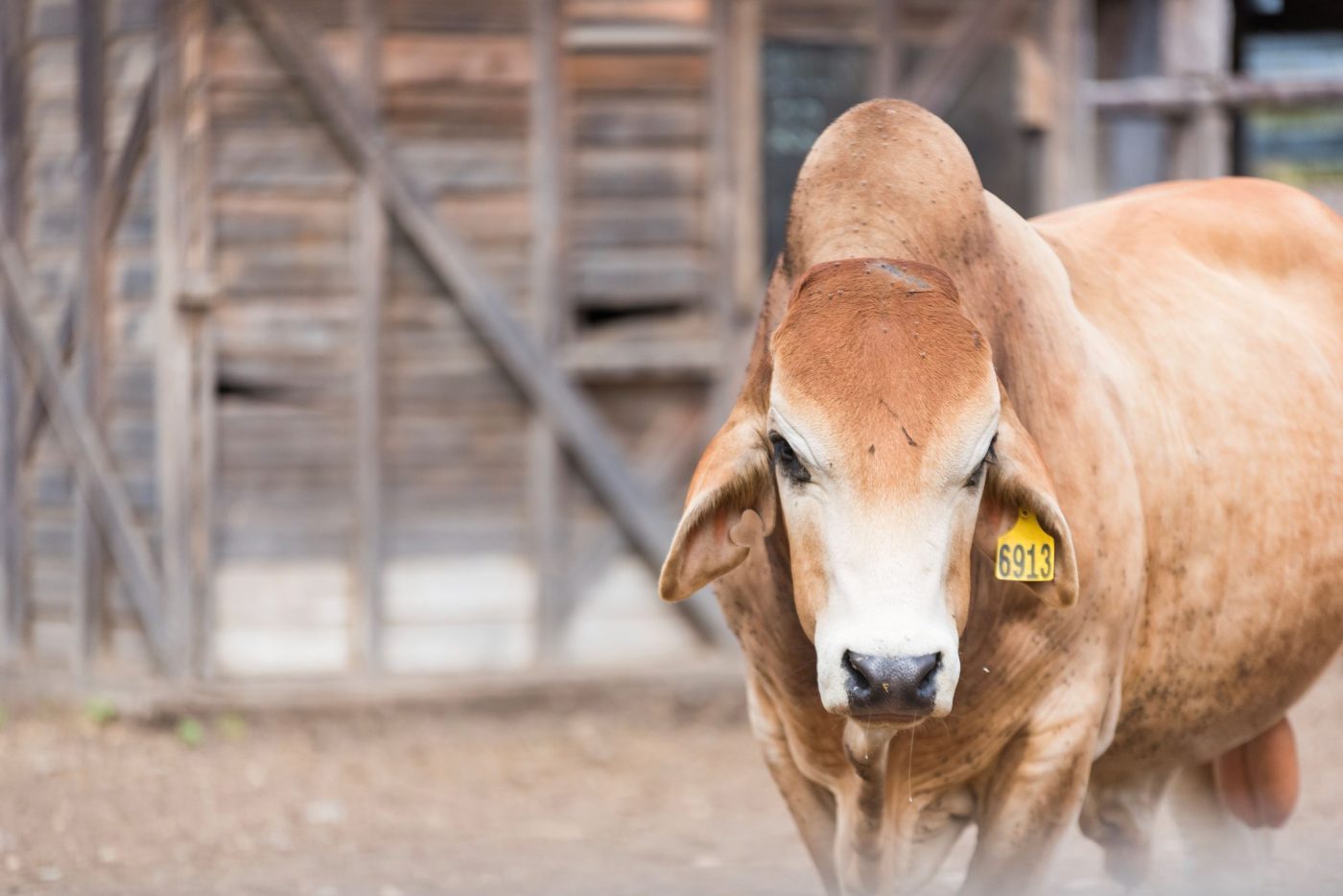
The Brahman breed does not need to follow the same trajectory. The value of the Bos indicus influence can be realised through working with seedstock producers whose herds are doing the work. Those selecting intentionally, balancing the need to lift in key profit driving traits like fertility, where Bos taurus has held the edge. While expressing the benefits Brahmans offer in lower emissions intensity, heat tolerance, tick resistance and overall performance in harsh environments.
The opportunity lies in identifying seedstock operations whose breeding objectives align with your own, to truly deliver measurable genetic progress and increased profitability to your business. It’s about objective, informed decision making on where to source your genetics, from operations focused on commercial outcomes. For many operators, change may feel necessary. But that change doesn’t always have to mean a change in breed. It may mean looking further within the breed to identify those chasing genetic gain, lifting performance in key traits and aligning with the future of profit-driven beef production.
And look, if you want to keep selecting Daly Cherry Evans, because you’ve always selected Daly Cherry Evans, that’s your call.
Or, we can make smart, proactive and informed decisions to seek out something different, like Tom Dearden. By truly assessing the realities and refusing to remain delusional, we can adapt, evolve and secure the win.
Josie Copley