
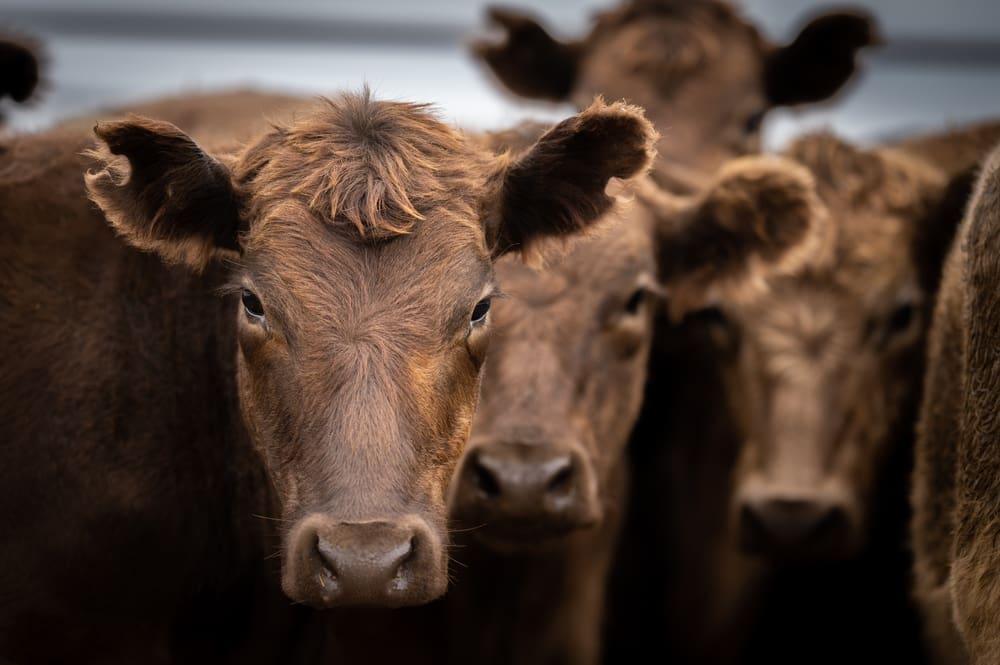
Image: Shutterstock
A TICK-BORNE
disease that costs the Australian cattle industry more than $20 million a year is the focus of a new research project by the University of Melbourne (UniMelb).
Bovine theileriosis is an important animal health and productivity concern, particularly in eastern and southeastern Australia. It is transmitted primarily by the bush tick.
“Many infected cattle show no obvious signs of illness. However, some parasite genotypes, can cause severe disease, including anaemia, weakness, reduced milk production, poor weight gain, reproductive losses and, occasionally, death,” Dr. Abdul Ghafar said, a research fellows specialising in Ticks and Tick-borne Diseases at UniMelb.
 “Young calves and cattle introduced into affected areas can be especially vulnerable.
“The platform supports future research into tick biology, pathogen transmission and new control strategies, complementing the surveillance and diagnostic work in this project.
“The impact extends beyond animal deaths. Reduced productivity, veterinary expenses and additional management costs can impose substantial losses on producers.
“Bush ticks are central to this problem because they transmit the parasite and can feed on several animal species, making their management more complex.”
The Victorian Government has awarded $360,613 through the Cattle Compensation Fund to strengthen surveillance and preparedness for bovine theileriosis and bush ticks in Victoria with Meat and Livestock Australia (MLA) matching the funds.
“The project, led by Professor Abdul Jabbar, will investigate where the parasite and its tick vector occur, identify gaps in current monitoring and management, and develop more practical diagnostic approaches,” Dr. Ghafar said.
“Working with cattle producers, veterinarians and industry stakeholders, we will assess disease distribution and current management practices to inform more effective surveillance, prevention and biosecurity strategies.”
MLA’s website states the parasite is now endemic in many coastal regions of New South Wales, Victoria and Queensland and has been detected in all states and territories except Tasmania.
The research is focused on developing more practical herd-level tests, including from milk samples in dairy herds and PCR-based testing for drug resistance and genotypes.
“Our team has developed an artificial membrane-feeding system for the bush tick. This allows us to study tick feeding and development under controlled laboratory conditions without using live animal hosts for feeding,” Dr. Ghafar said.
“Our aim is to help producers and veterinarians recognise disease risks earlier and make better-informed decisions about surveillance, cattle movements and disease management.
“By improving knowledge of where T. orientalis and bush ticks occur, developing practical herd-level tests and identifying gaps in current management, we hope to support more targeted and proactive disease control.
“The project will also produce evidence-based recommendations and practical resources for producers and veterinarians.
“Ultimately, we want to reduce avoidable production losses, improve cattle health and welfare, and strengthen the resilience of Victoria’s beef and dairy industries.”
HAVE YOUR SAY