
“LIMPING to the line” was the colourful expression used by a large export beef processor contact this morning to describe the likely tenor of the remainder of the 2026 beef processing season.
It’s looking increasingly like export beef processors will be operating hand-to-mouth for what’s left of 2026, with the sharp rise seen in slaughter cattle values since recent rain forcing some to reduce shifts to better align supply with projected meat market returns.
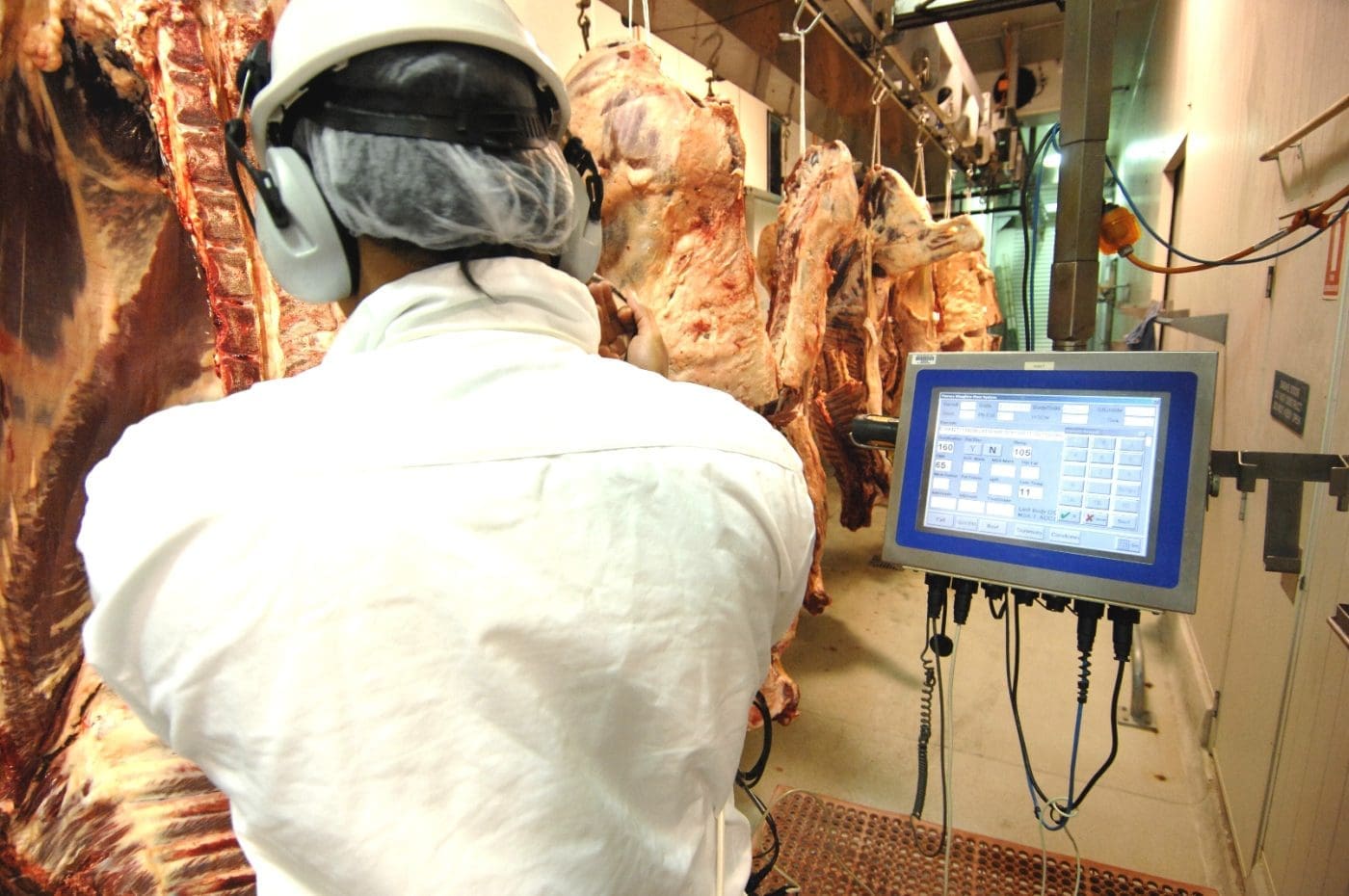 Discussions with processors this morning suggest there are numerous plants across the eastern states killing only four days this week, and some in NSW and Queensland as few as three.
One large southern operator has reduced daily throughput from 1800 to 1100, and plans to kill only four day weeks through to Christmas closure. At least two large Central Queensland sheds are working three-day weeks for the timebeing.
A little bit of that is due to earlier rain delays on delivery of cattle secured earlier, but increasingly, its about the lack of profitability in killing expensive cattle in a flat export meat market, as producers elect to hold cattle back to add weight.
There’s been no significant rises in direct consignment slaughter cattle pricing this week, despite the surges seen in the saleyards channel (see below).
Processors are evidently content to cut their cloth to suit, rather than throwing further money out to try to maintain earlier higher rates of production, at a loss.
Slaughter rates collapse
National rates of slaughter continued to plunge last week, hitting the second lowest production week all year, barring those impacted by national holidays and the early January shoulder period.
Nationally, the week ended Friday (November 6) showed just 125,552 adult cattle processed, down another 6100 on the already rain-impacted numbers the week before. Last week’s tally was down almost 16pc on the same week last year.
 New South Wales last week dropped almost 3000 head on the week before, while Victoria (Melbourne Cup Day holiday on Tuesday also a factor) was down almost 2800. Queensland’s kill last week was less affected, but most of the damage was done the week before, when numbers in the northern state plunged by 6000.
Queensland’s kill last week was down 13,200 head or 17pc on rates seen just three weeks earlier.
The past four weeks’ national kills have averaged 136,000 head, compared with 144,200 for the four weeks prior to that – that’s a deficit of 8100/week or 6pc.
Part of that is rain/access related, but equally, much of it is to do with the sharp lift in slaughter cattle prices forcing processors to ease up. The NLRS processor cow indicator (all saleyards cows +400kg) has lifted 38c/kg liveweight over the past month, on the effect of rain. At the same time, the representation of cows contributing data to the indicator has fallen 30pc, as producers hold cattle back after rain.
At Wagga sale yesterday, good cows were making 430-440c/kg liveweight, representing the equivalent of 860-870c/kg dressed weight where they stood. Add shrink and freight on that, and they represented an eye-watering 890c/kg delivered to a plant in eastern SA. No wonder processors are reluctant to schedule more shifts.
Similarly, the saleyards heavy steer indicator (400-750kg lw) sits today at 486c/kg, up 31c since this time last month.
Direct consignment has followed suit, with Queensland processor grids now typically up 40-50c/kg dressed weight compared with four or five weeks ago, around the time when rain started to fall.
This week, we struggled to find evidence of any over the hooks grid adjustments at all, suggesting processors have put the cue in the rack.
Best offers for good slaughter cows in southern Queensland remain at 770c/kg, and four-tooth grass ox 850c (860c available on some grids for HGP-free).
Central Queensland plants are typically 10-20c/kg behind those rates. Bookings remain ‘very current,’ with spaces available as early as next week, for those wishing to supply.
Southern states
Further south, there were some 20c/kg rises in eastern regions of South Australia last week, but all grids viewed this week appear unchanged. Offers in southern NSW and eastern SA this week are showing 890c/kg on four-tooth grass ox (no HGP) and 800c/kg on good heavy cows. Some SA plants have quality MSA cows on 810c, and 910c on yearling MSA steer. One large Victorian processor has MSA, farm assured grassfed YGS on 920c/kg, up from 900c earlier.
If there is a positive impact from the recent trend towards lower rates of kill, it has been in reduced beef volumes held in cold storage, which reports this morning suggest is considerably eased compared with the situation seen in mid-October.
Added to that, the Australian domestic market is heading into school holidays and the Christmas period, when demand for grilling cuts rises.
Early seasonal closures for some processors still look possible in the current cattle supply/price environment, especially those more reliant on non-grainfed cattle and saleyards supply. If further rain forecasts deliver in the next week or ten days, that becomes even more likely.
But winding up early is complicated by plant operators’ responsibilities with overseas labour, in terms of lost working time and minimum working days per year.
Saleyards channel
Gunnedah yarded 3580 this morning, up a couple of hundred on last week. All major buyers attended for strong competition in an overall dearer market. Yearling steers to feed were 20c dearer and more in places, making from 512-606c to average 586c/kg. Score 2 and 3 cows were 3c-5c dearer, with score 3s from 394-414c/kg and prime heavy cows 8c dearer making from 404-448c and averaging 424c/kg.
Roma this morning yarded 8271, up almost 3800 on last week, with some catch-up evident from earlier rain affected weeks. An interim report quoted the market as firm to slightly stronger, especially for cattle lacking condition. Yearling steers 200-280kg sold from 460-704c/kg to backgrounders; yearling steers 400-480kg made from 530-596c/kg to lotfeeders; grown steers 400- 500kg sold from 494-560c/kg to lotfeeders; bullocks +600kg sold to 500c/kg to processors. Full report tomorrow.
HAVE YOUR SAY