
File image of butchers preparing beef in a Coles supermarket.
A DEFENCE of the cattle industry’s land management practices drew applause from shareholders at the Coles Annual General Meeting in Melbourne this morning, as environmental activists continued a campaign of pressure on the supermarket giant over its beef sourcing policies.
It was the second time in just over a week that Cattle Australia deputy chair and Central Queensland beef producer Adam Coffey attended the AGM of a major supermarket to challenge claims by environmental organisations that Australia’s beef industry is driving widespread deforestation.
After traveling to Sydney to address the Woolworths AGM last week, Mr Coffey made a second interstate journey this week to give producers a voice at the Coles AGM in Melbourne this morning.
Both meetings saw environmental campaigners use the opportunity provided by shareholder question time to challenge the Boards of each supermarket over their deforestation commitments and demand stronger action to prevent beef linked to land clearing from entering their supply chains.
Greenpeace Australia Pacific also today released its own “report card” stating that Coles, Woolworths and six other major beef buyers were failing in their efforts to sell only deforestation-free beef.
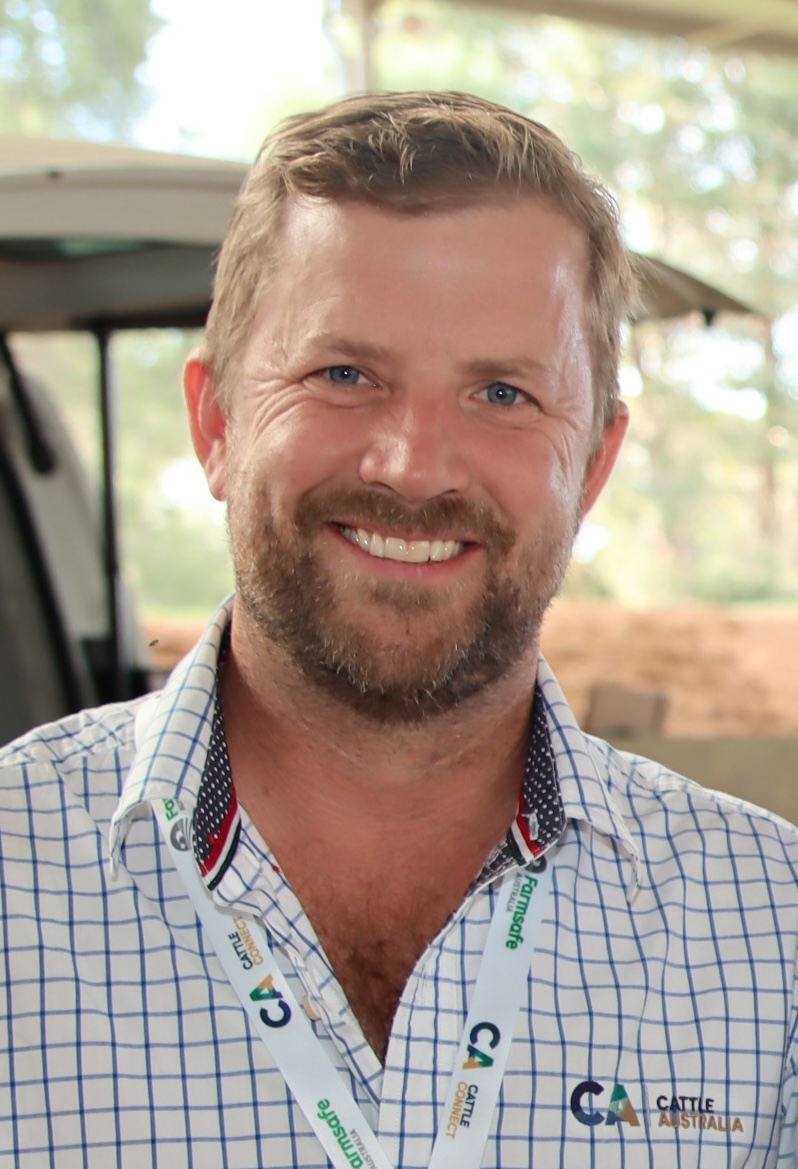 However, Mr Coffey told this morning’s Coles meeting that that activist groups were doing a “pretty good job of confusing the issue”, ignoring the fact that Australian beef cattle producers operate in one of the most highly regulated environments in the world regarding biodiversity protection and vegetation management, operating under at least 136 different state, territory, and federal vegetation management laws.
“Cattle Australia categorically does not support deforestation,” he said.
“What we do support is the ongoing right of landholders to undergo routine agricultural activities in accordance with state and federal regulations to ensure the ongoing prosperity of our country and the agricultural sector, and to maintain and grow our ability to be a world-leading supplier of sustainable beef.”
He also pointed to the scale of forest growth and reforestation that occurs in Australia, a point often overlooked or ignored in public debate on the issue.
“Australia has the seventh-largest forest area of any country on Earth, and over the decade from 2010 to 2020, the Food and Agricultural Organization reported that we have the second highest rate of reforestation of any country in the world.
“This is an increase of 4.4 million hectares of forest area. These are not marginal statistics, they describe a continent-scale trend of expansion, not loss.
“Cattle Australia remains highly concerned that activist organisations continue to make not only misleading, but categorically false and damaging allegations against our beef cattle producers and Australian consumers should be highly alarmed at the ongoing ideological attacks aimed at our industry and at our supply chain partners, such as Coles.
“I want to be very clear that remnant vegetation in Australia is protected, and that ongoing vegetation management is just that. Routine agricultural activities to maintain the productive capacity of our land.”
He said activist attacks undermined Australia’s reputation as being home to some of the best beef producers and land managers in the world, and were unfairly damaging Australia’s ability to maintain its position as a supplier of quality product that millions of people depend on domestically and across the world.
“This risks raising the cost of food in Australia, and it also directly negatively impacts our food resilience.
“This is something that every consumer in Australia should be very concerned about and take very seriously.”
He also acknowledged Coles and its ongoing engagement in working together with industry and considering more than 50,000 beef producers who actively manage over half the continent to feed millions of Australians each year.
“My message to the Coles Board of Directors and management is to reassure them that they ought to be proud of Australian beef cattle producers and our ongoing commitment to sound land management. Thank you.”
He also said that activist campaigns against cattle producers within the Great Barrier Reef catchment ignored the reality that the ongoing ecological health of the land is “tied directly and profoundly to the ongoing economic viability of our business”.
“Our gates are always open to those who want to come and see what we do and why we do it.”
His remarks were followed by applause from shareholders and guests around the meeting room.
Greenpeace gives major beef buyers failing grades
Meanwhile, Greenpeace Australia Pacific used today’s Coles AGM to release an updated scorecard accusing eight major Australian beef buyers of failing to deliver on their deforestation commitments.
The environmental organisation said Coles and Woolworths had committed to eliminating deforestation from their supply chains by the end of 2025, but neither could yet guarantee that its beef was not sourced from deforested land.
The scorecard assessed Coles, Woolworths, Aldi, McDonald’s, Hungry Jack’s, Teys, Metcash/IGA and JBS against deforestation-free and conversion-free sourcing targets, giving all eight failing grades.
Greenpeace Australia Pacific nature policy lead Adele Chasson said the major supermarkets had failed to deliver on their commitments.
“This is a report card Coles and Woolworths should be ashamed to take home. While all major beef buyers had promised to take deforestation off the shelves, none of them followed through,” she said.
“Shareholders and the public demanded answers from Woolworths last week and from Coles today, and we will continue to hold their feet to the fire on their promises.”
Greenpeace maintains that beef production is a leading driver of deforestation in Australia and that major retailers must take greater responsibility for land clearing occurring within their supply chains.
“Without strong, rapid implementation plans, these companies continue with business as usual, flying in the face of Australia’s deforestation crisis,” Ms Chasson said.
“Big beef buyers like Coles and Woolworths must stop the bulldozers now, make good on their sustainability promises and play their part in stopping Australian forest destruction.”
Great work Adam, need more people like you standing up and defending the industry. Well done!!
Great work by Cattle Australia at both AGM s
Thank you Adam Coffey, for telling it how it is. As a producer in the NT, a part of the “grass fed “ cattle industry. Over 20 years we have improved the environmental conditions on our property so much while grazing cattle that we now have more wildlife and vegetation than when we moved here, even though we battled the biggest drought in over 80 years in the Barkly.
Once again Adam Coffey, Thank You.