
On-property feed efficiency rankings for every sale bull, measured in minutes at the crush.
In September we asked a simple question on these pages: If you could see a number above every animal in the mob, ranking it on how well it turns feed into product, would it change which ones you keep?
(Missed it? Read how QuickFlux takes feed efficiency testing from months to minutes.)
This time the question is for the people who breed the bulls.
Because when a stud can see that number, it doesn’t just change one herd. It changes every herd its bulls go into.
What QuickFlux is
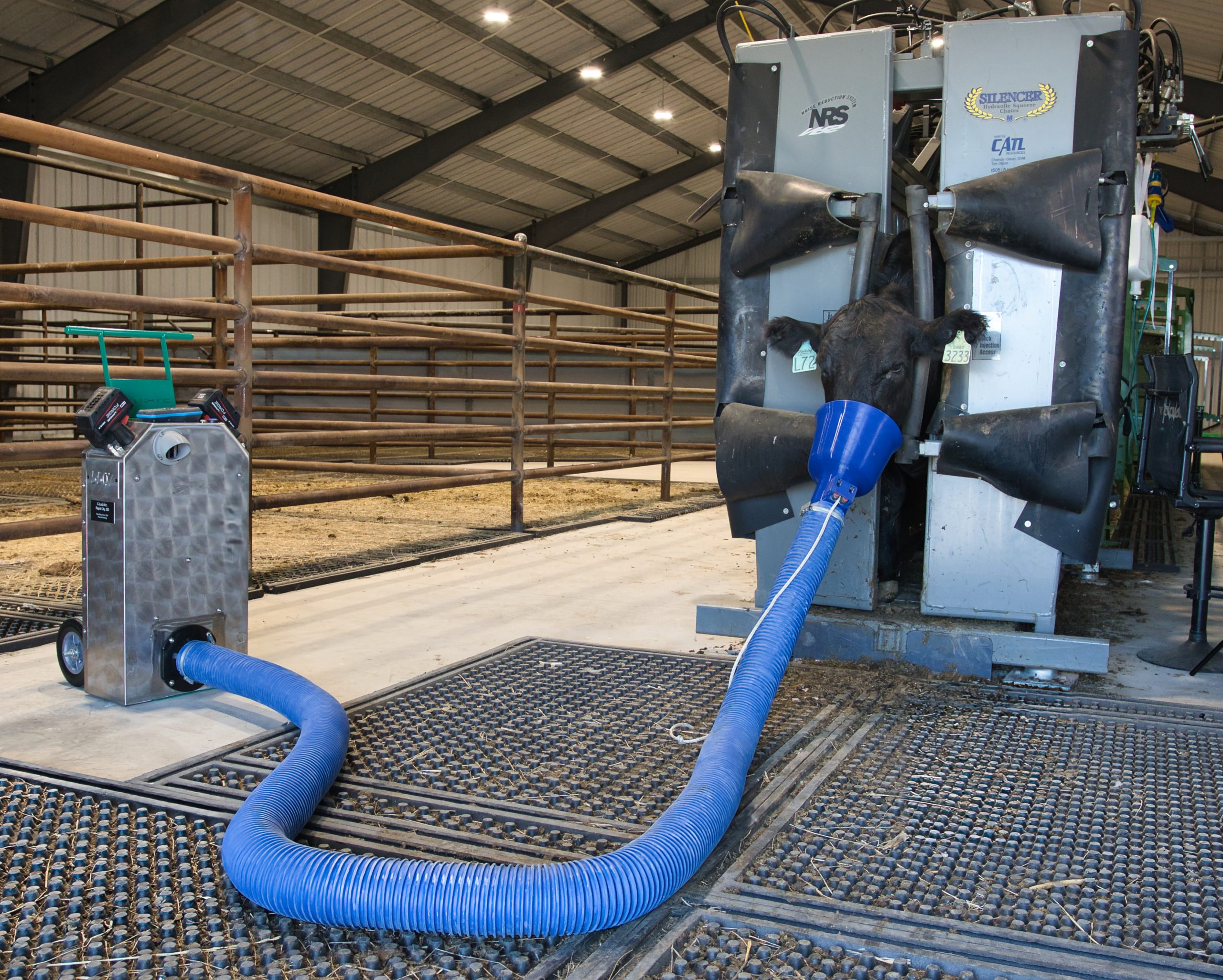
QuickFlux is a portable rapid phenotyping system. It launches commercially on 10 November 2026.
QuickFlux is designed to sit at a standard crush. As an animal comes up the race, a collector is placed over its muzzle and samples its breath alongside the surrounding air. An RFID scan ties the reading to that individual. Three to five minutes later an indicator light shows the measurement is complete and the animal walks out.
The breath sample shows how that animal’s body is using what it eats: how much feed energy is going into growth and maintenance, and how much is being lost. Every reading is screened for outliers, checked by a C-Lock analyst, and returned as a ranking of each animal against the rest of the group.
In short, QuickFlux is used to answer one question quickly: which animals in this group are the most efficient, and which are costing you feed they never give back?
No feedlot test. No automated feeders. No 70 days.
Why efficiency has been hard to sell on
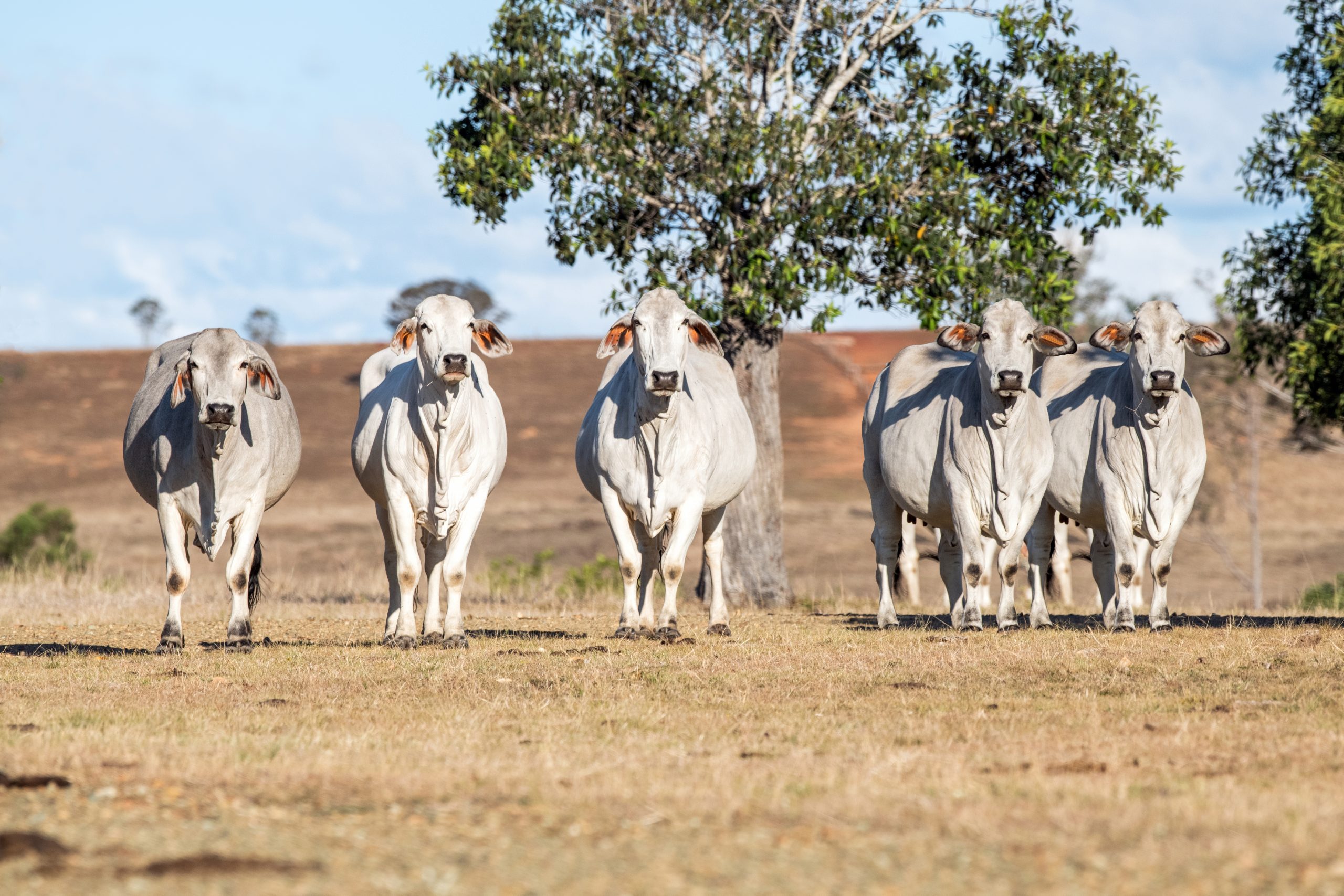
Feed is the biggest recurring cost in beef production, and Australian research has shown for decades that efficiency is worth breeding for. Net feed intake is moderately heritable, with Australian estimates of roughly 0.34 to 0.41, in the same range as growth.
The problem has never been the trait. It has been the measurement. Recording individual feed intake has meant a feedlot test of around 70 days with automated feeders, which is expensive and slow. That cost is the main reason most breeders have never measured efficiency on their own cattle.
So while breed societies such as Angus Australia publish a feed efficiency EBV, very few sale bulls walk into the ring with an efficiency measurement taken on the bull himself, on the country he was raised on.
That is the gap QuickFlux is built to close.
Where the profit sits for a stud
Sharper selection inside the herd. A stud’s own herd sires and donor females set the direction for everything that follows. Ranking them on efficiency means the next drop is bred from animals that have shown they convert well on your country, not just on paper.
Culling before you spend. Preparing a bull for sale costs feed, labour and time. Measuring the draft as yearlings lets you identify the tail end early, before you’ve invested a full sale preparation in a bull that was never going to lift a client’s herd.
A point of difference on sale day. Buyers already study the catalogue closely. An efficiency ranking for each lot, measured on the bull himself, gives them one more reason to bid on your bulls, and gives your agent one more thing to talk about.
Bulls that make your clients money. Your commercial clients carry the feed bill for every calf your bulls sire. Efficiency matters most when feed is short: an Australian study of Angus heifers found the more efficient animals held their liveweight better as pasture quality declined. Bulls that leave efficient, resilient progeny are bulls that bring clients back.
Gains that compound. Because efficiency is heritable, every selection decision carries forward. A stud that starts measuring now is building a record that grows more valuable with every drop.
How it fits a stud’s year
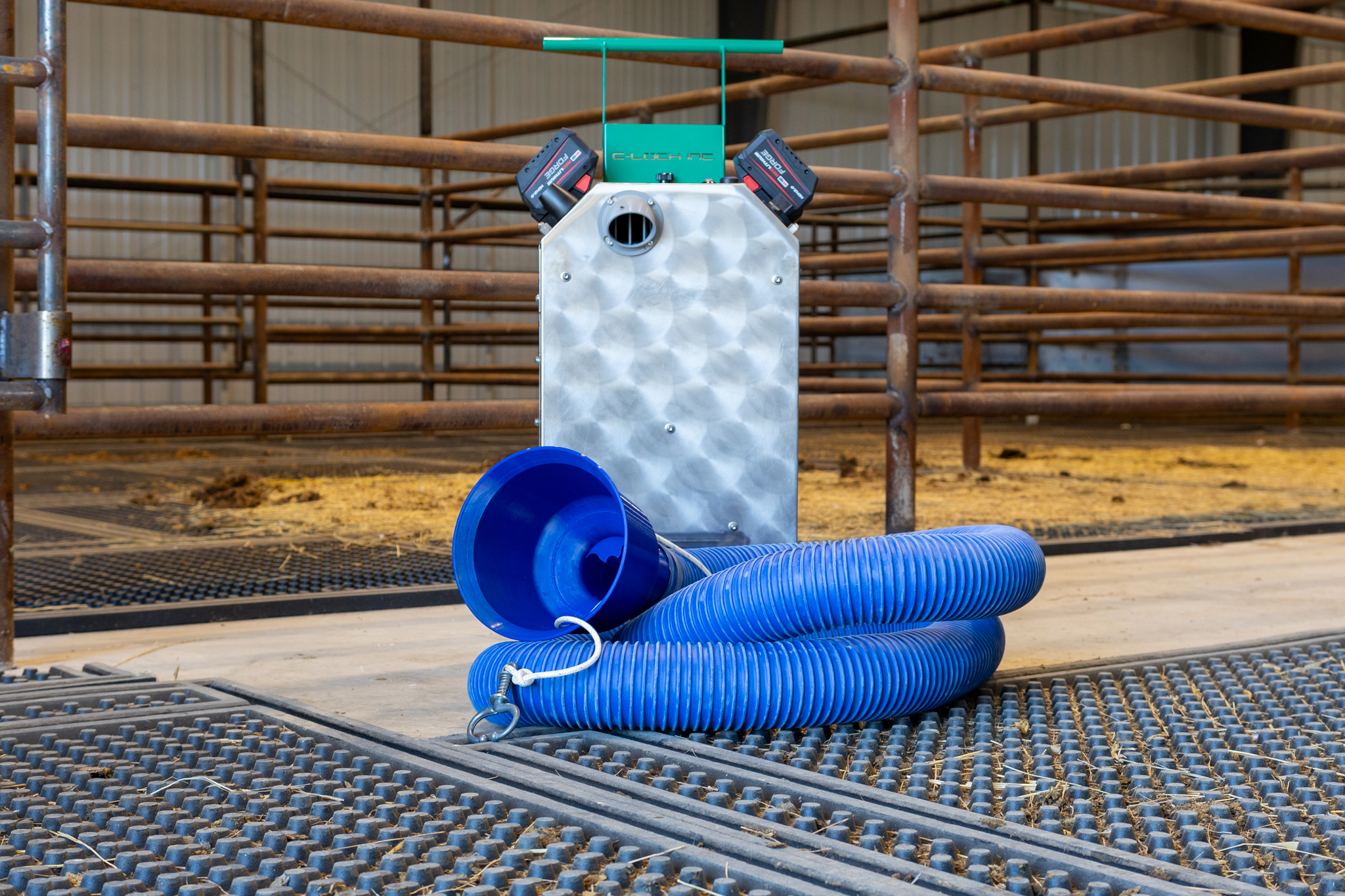
QuickFlux is built to ride along with yard work you are already doing, not to add new days.
- Yearling bulls during routine handling, well ahead of sale preparation
- Replacement heifers at selection
- Herd sires and donor cows at pregnancy testing or pre-joining work
The results sit alongside the EBVs you already use. They don’t replace genomic testing or breeding values; they add a direct measurement on the individual animal, taken in your environment.
Built on two decades of science
The measurement behind QuickFlux isn’t new. C-Lock has spent more than 20 years developing and validating it, with close to 1,000 units across 48 countries and more than 800 peer-reviewed studies.
That includes Australian cattle. A study published this year measured 453 composite and crossbred animals across four sites on tropical and subtropical rangelands in the north. What has changed is that the measurement now travels to your yards and fits inside a working day.
Talk to us before your next draft comes in
QuickFlux launches on 10 November. If you have yearling bulls or replacement heifers coming through the yards in the months ahead, now is the time to plan which group goes through first.
To find out more, visit c-lockinc.com or contact C-Lock’s Australian representative, Kasey Lane, on +61 428 289 042 or klane@c-lockinc.com.
HAVE YOUR SAY