
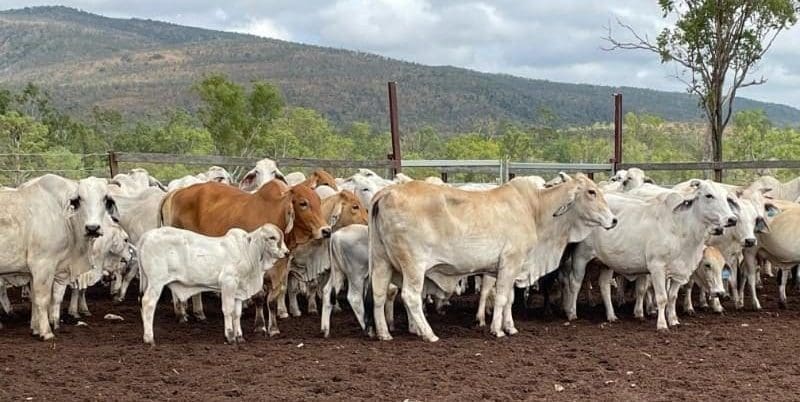
AT the end of every weaning, beef producers across Australia have access to some very clear data on their herd’s overall performance.
Weaning is when information can be collected on a range of factors, including the number of calves that have survived to weaning and the weight and age range of those weaners. These are all very useful data points.
However, when there is a run of disappointing results, producers often look for a range of answers. Low weaning rates can be blamed on anything from poor bull fertility to high levels of predation.
Weaning weights and ages can be put down to joining length, cow condition, genetics or fertility. While any of these may be true, blaming poor genetics or poor nutrition as the overriding issue is often too simple a response.
At a practical level, poor nutrition is probably the largest issue all producers face. Cow energy and protein demands are often underestimated, and the result is cows having to mobilise body reserves of fat and muscle to meet demand at particular points in the production cycle.
When that happens, their chances of getting back in calf fall. Australian research has shown this many times. The CashCow project followed around 78,000 cows in 142 mobs across 72 northern properties, and body condition and timing of calving came through as important influences on reproductive performance.
But putting poor results down to a single factor and responding with a plan to improve nutrition through better grazing strategies, pasture improvement or sensible supplementation addresses only one part of a larger picture.
In focusing on the poor results, it is easy to forget that in the same mob there were quite possibly many cows that performed at or well above the mob average. They faced the same environmental pressure, and some of the difference between them and the poorer performers is genetic.
Moving beyond simply reacting to results requires producers to actively start measuring that variation in their herd and selecting the animals that do better in their system.
Being in the same paddock doesn’t mean every cow eats the same quantity or quality of feed. Age, previous calving date, lactation demand, disease, mature size, social behaviour and individual grazing habits all contribute to differences between animals.
But when those effects are accounted for across large numbers of cattle, herds and environments, variation remains, and some of this variation is due to genetics. Identifying nutrition as a major cause of poor reproductive performance doesn’t make that genetic variation any less real in a herd.
Northern genomics
The Northern Genomics work is a useful example because it has been done on commercial cattle in real northern production environments. An analysis presented in 2025 covered more than 34,000 heifers from 60 herds and at least 14 breeds.
The researchers found measurable heritability for several traits that matter in northern production, including puberty, body condition, weight, hip height and pregnancy within four months of calving (P4M).
The heritability of P4M was estimated at around 0.10. That doesn’t mean genetics is the main factor deciding whether a cow gets back in calf, because environment and management have a much larger influence. However, it does mean there is genetic variation in the population that will respond to selection.
Quite often the framing of nutrition versus genetics as a debate overlooks the more important question, which is whether cattle differ genetically in their ability to achieve a reproductive target under commercial conditions. Projects such as Northern Genomics have clearly provided data demonstrating that they do.
There are nutritional thresholds below which even genetically fertile cattle will struggle. A cow can’t make energy and protein that aren’t there. If stocking rates are too high, land condition is going backwards or cows are routinely calving in poor condition, changing genetics won’t fix the system. Equally, good nutrition doesn’t remove the genetic differences between cattle.
This is particularly relevant in northern and extensive systems, where seasonal variation means cattle will go through periods of nutritional stress regardless. It isn’t realistic to remove every environmental challenge, and underfeeding cattle to find the toughest survivors isn’t the answer either. The goal is to run a commercially sensible system and identify the cattle that perform within it.
Nutrition, genetics work over different timeframes
Nutrition and genetics also work over different timeframes. Fixing a nutritional deficiency can lift reproductive performance fairly quickly, but when the same challenge comes around again the management response usually has to be repeated.
Genetic improvement doesn’t remove the need to feed cattle properly, but it accumulates and carries through to later generations. Management helps the current herd perform this season, while selection changes the herd that will be managed in future seasons, so both are needed.
When weaning results aren’t where they should be, checking whether the feedbase can support the performance being asked of the herd is still the right starting point.
Are cows in adequate condition? Does stocking rate match carrying capacity? Does calving line up with the availability of quality feed? Is there enough protein and energy during the period of highest demand?
But the same weaning records can also show which cows consistently rear a calf, which calve early enough to have a reasonable opportunity to conceive again, and which wean heavier calves under the same conditions as their mob mates.
Individual records need to be interpreted carefully, but combined with fertility EBVs and genomic tools, they allow producers to select the cattle best suited to their system and make genetic progress within it.
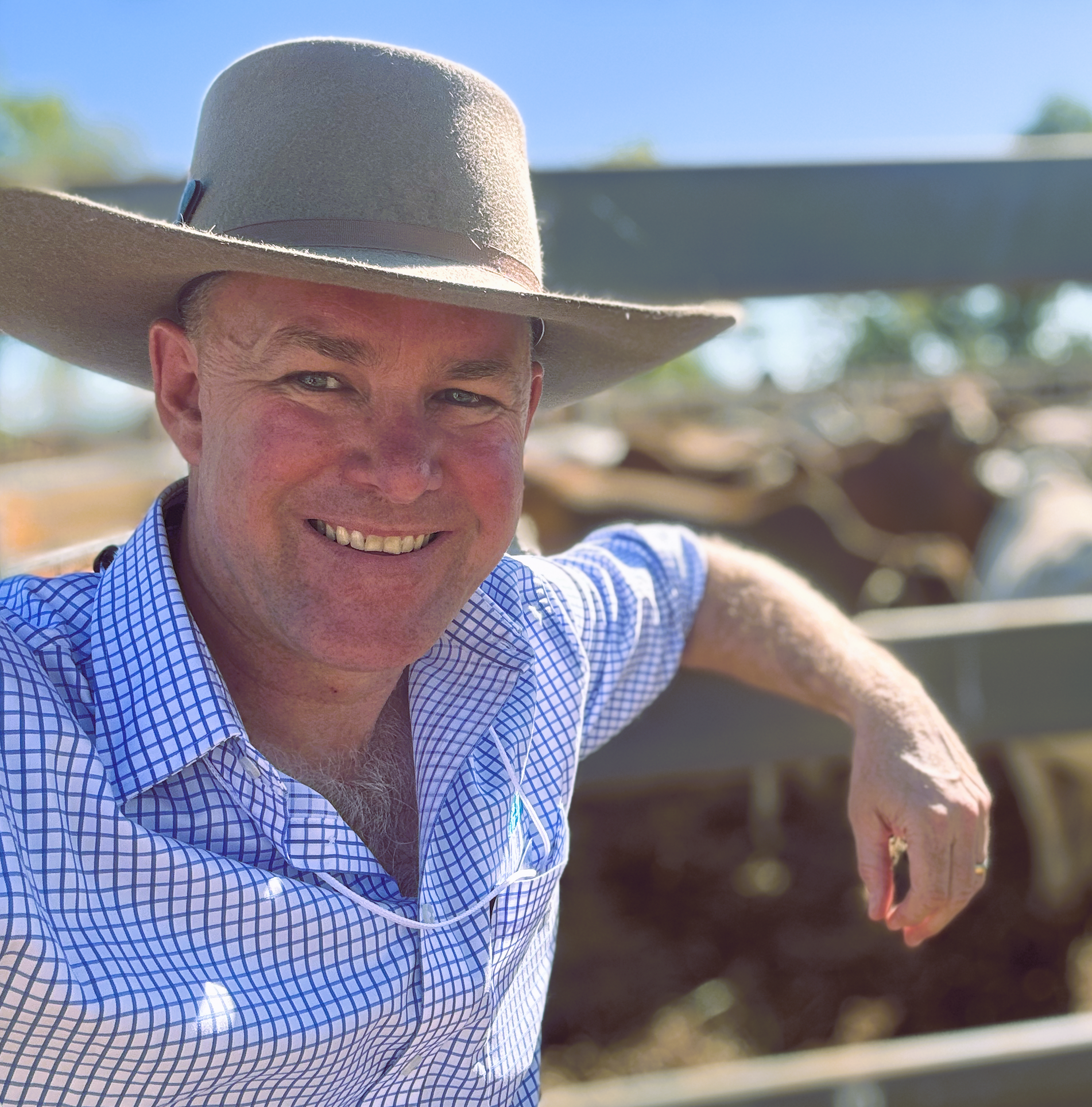 Alastair Rayner is the Strategic Account Manager for Southern Australia with Vytelle and Principal of RaynerAg. He has over 30 years’ experience advising beef producers and graziers across Australia. Alastair can be contacted here or through his website: www.raynerag.com.au
HAVE YOUR SAY