
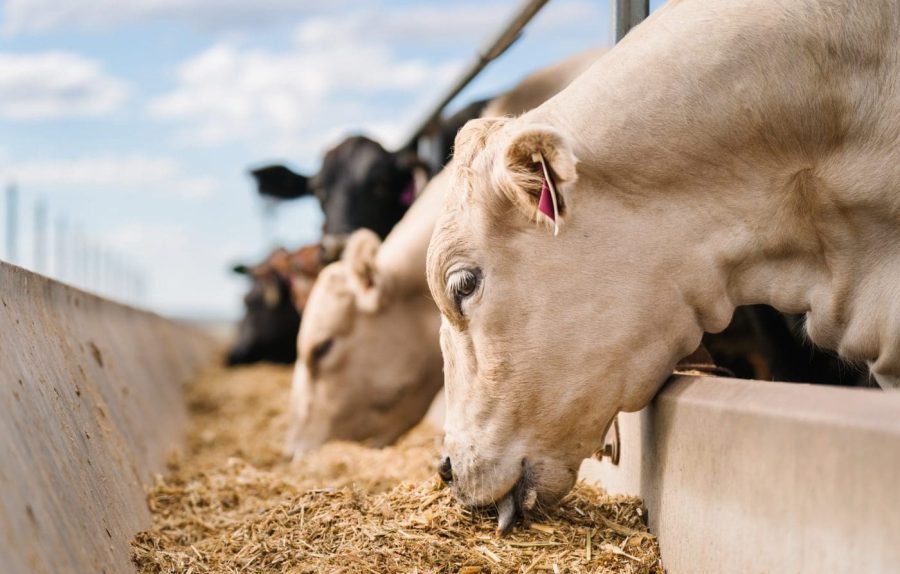
Image Source: ALFA
IN AN effort to optimise feedlot performance, a new best practice guide has been developed for producers, outlining how to best prepare cattle for a feedlot.
The guide was developed by Meat & Livestock Australia and authored by well-known Queensland feedlot veterinarian, Dr Kev Sullivan.
The guide outlines the challenges feedlot cattle face and the strategies that help reduce health and wellbeing risks in a feedlot to improve performance.
“There was a lot of valuable, research-backed information available on preparing cattle for feedlot entry, but it wasn’t all in one practical, easy-to-use resource,” Liz Pearson, MLA Feedlot Project Manager said during BeefEx last week.
“MLA developed this guide to bring that information together and give grassfed producers clear steps to prepare cattle that arrive ready to adapt, perform and meet feedlot requirements, ensuring that cattle thrive, not simply arrive.
“While the guide has been developed primarily for producers supplying cattle to feedlots, it is equally valuable for lotfeeders, livestock agents and other advisors who work closely with cattle suppliers.
“We see it as a practical resource that helps everyone involved in the supply chain have more informed conversations about feeder preparation and what drives successful outcomes for everyone.”
Here is some of what the guide outlines:
A feedlot can be a very challenging environment for newly arrived cattle, given the change in environment, feed and water source, having been transported, sometimes vast distances, co-mingling with cattle from a variety of different origins and health statuses.
How cattle cope with these challenges and how they adapt to their new environment will have a major impact on how they perform.
There are several management techniques and practices that can be used to help cattle adapt to the feedlot environment.
These techniques are built on good stockmanship and revolve around dissipating stress and building trust and confidence in the cattle with vehicles, machinery, the pen, bunk, water trough and caregivers.
The guide details the main health challenges that occur in feedlots, which can be subdivided into four main groups:
- Bovine Respiratory Disease (BRD)
- Gastrointestinal or digestive disorders
- Lameness and musculoskeletal problems
- Pregnancy and urinogenital conditions
To access the full guide, click here.
Basic management procedures give cattle best chance in feedlot
The main reasons for health problems are poor immune status and the level of physical, physiological, environmental, nutritional and psychological stress to which the cattle are exposed.
The factors that contribute to poor feedlot health include age, source, breed, co-mingling, pre-arrival management, shrink, time off feed and transit time.
 Once the factors contributing to poor health have been identified, strategies to overcome these challenges can be introduced.
Yard weaned and well-educated cattle consistently start and perform better in the first two months in the feedlot. These cattle will be less likely to have health and wellbeing issues.
The effects of transportation and time off feed cannot be underestimated. Cattle that have been off feed and water for more than 12 hours have increased risk of rumen dysfunction.
The guide recommends before transport cattle need to have access to good quality hay and water.
Minimise the time cattle are held in stockyards prior to transport. Work out transport logistics with the trucking company and directly with the driver.
To maximise returns to the producer, it is important to ensure the specifications for feedlot entry are met to maximise the positive adjustments and minimise the deductions.
MLA is holding a producer workshop at Killara feedlot near Quirindi NSW on 14 October which will focus on breeding and preparing feeder cattle for high performance in the feedlot and over the hook.
Designed for cattle breeders and backgrounders supplying feeder markets, the workshop will provide insights into feeder cattle best-practice management, carcase feedback, breeding objectives and EBVs, feedlot operations, and strategies to build stronger supply chain relationships.
HAVE YOUR SAY