
NEW rules and regulations will apply from the middle of this month for Australia’s boxed beef trade into Indonesia.
Indonesia is a significant emerging market customer for Australian beef, accounting for almost 20,000 tonnes for the calendar year to date.
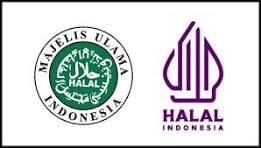 Indonesia’s Law 33/2014 on Halal Product Assurance and its associated regulations are being phased in over a 15-year period. From 18 October this year, all businesses (not just Australian) exporting food (including boxed beef), beverages (including processed food and beverage products) and certain other products to Indonesia will need to ensure their products are appropriately Halal certified to enter the Indonesian market.
The implementation follows a two-year delay from the original implementation target of October 2024.
The new regulation does not impact Australia’s live cattle trade into Indonesia. Deadlines for the new requirements for some other export products, like pharmaceuticals, will be some years later.
A Department of Foreign Affairs and Trade advice says the Halal Law greatly expands the range of products and export services for which it is necessary to have Halal certification.
Australian exporters need to meet these requirements to maintain or gain access to the Indonesian market, DFAT says.
The changes mean a much broader range of Australian businesses will need to meet mandatory Halal requirements if they wish to export to Indonesia.
Those exporters accustomed to complying with Indonesia’s previous Halal certification regime will need to change their certification practices to ensure they remain compliant.
Industry webinar
The Australian Government is working closely with Indonesia to ensure Australian exporters have the information they need to comply with the Halal Law.
DFAT and Department of Agriculture, Fisheries and Forestry (DAFF) hosted a webinar on what’s involved in the new Halal requirements on 29 September. The one-hour industry briefing stepped-through Indonesia’s import requirements for Halal and non-Halal products. Click here to access a reording
Key requirements under Indonesia’s Halal Law
The new Halal Law established a new implementing authority for Indonesia’s Halal certification regime, the Halal Product Assurance Organising Agency.
In 2019 BPJPH took over the Halal certification functions previously managed by the Indonesian Ulema Council (MUI).
The Halal Law expands the scope of goods for which mandatory Halal certification is required. It also mandates certification of certain production and export-related services, including slaughtering, processing, storage, packaging, transport, marketing and presentation.
Under the Halal Law, exporters will be required to:
- Arrange Halal certification of products prior to export either directly through BPJPH or through an Australian Halal Certification Body approved by BPJPH for the scope of products exported
- Meet a requirement to completely segregate Halal products from non-Halal products during production, processing, storage and transportation
- Comply with new labelling requirements for Halal and non-Halal products
- Ensure their Indonesian importers have registered their HCB-issued Halal certificate on BPJPH’s online portal.
Exporters are welcome to begin voluntarily adhering to the new Halal certification requirements ahead of the relevant mandatory implementation date, although this is not strictly necessary, DFAT advised.
HAVE YOUR SAY