
When I was invited to join the farmer delegation to Canberra, I saw it as an opportunity to take our on-ground experience directly to the people making decisions about carbon farming and environmental markets.
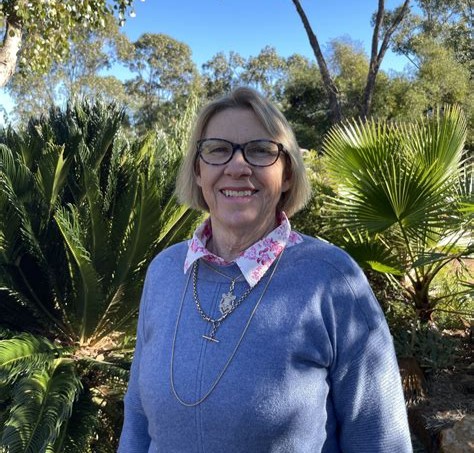
Judy Treloar from Boothulla Station.
My family operates Boothulla, a 72,657-hectare cattle property in south-west Queensland. We’ve integrated a Human Induced Regeneration (HIR) project through Climate Friendly into our grazing business, and over time it has become an important part of how we manage the property for the long term. Carbon farming has helped us invest in fencing, water infrastructure and landscape restoration, while also supporting the transition of the property to the next generation of our family.
We weren’t in Canberra to argue with anyone. We were there to share our experience and explain what carbon farming looks like in practice on a working agricultural property.
For us, carbon farming is about much more than carbon credits. It’s helped us manage our country better, strengthen our business through drought and seasonal challenges, and create opportunities for the next generation.
One thing we wanted people to understand is that our project is based on active management, not locking up land. We’re still running a productive cattle enterprise. We make decisions every day about grazing, infrastructure, pest management and land condition.
The diversification that carbon farming has provided has been incredibly important. It has given us the financial flexibility to develop an equitable succession plan and helped make it possible for our son Will and his family to take over the property. It has also allowed us to reinvest back into Boothulla through fencing, water points, and other improvements that support both the landscape and the business.
Water security is the lifeblood of any grazing property in western Queensland. Instead of watching rainfall run off the landscape and take valuable topsoil with it, we’ve invested in contour banks and worked to restore groundcover and improve landscape function. Over time, we’ve seen a healthier, better-hydrated landscape that is more resilient to dry periods and better able to respond when the rain comes.
The message I wanted to leave with decision makers was simple. Carbon farming hasn’t replaced our agricultural roots. It has helped secure them. By working with nature, we’ve improved the condition of our landscape, strengthened our business and created a more sustainable future for the next generation. For us, it’s about healthy country, productive agriculture and thriving rural communities all working together.
Supplied: Climate Friendly
HAVE YOUR SAY