
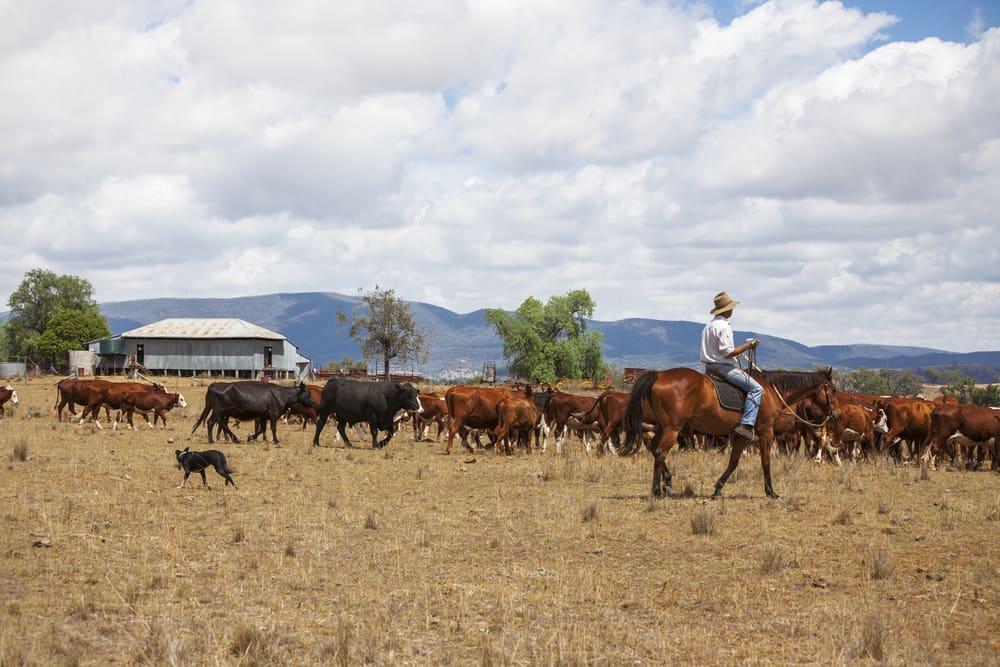
Image: Shutterstock
AGRICULTURE groups are calling on the Federal Government to reinstate the regular processing of backpacker visas, after it was confirmed that approvals for new working holiday makers were being processed slower than normal.
The National Farmers Federation and its members have been in Canberra this week warning that uncertainty is building, especially with winter harvest just around the corner.
Australians who want to show their support can sign the petition calling on the Government to protect Working Holiday Maker backpacker visas.
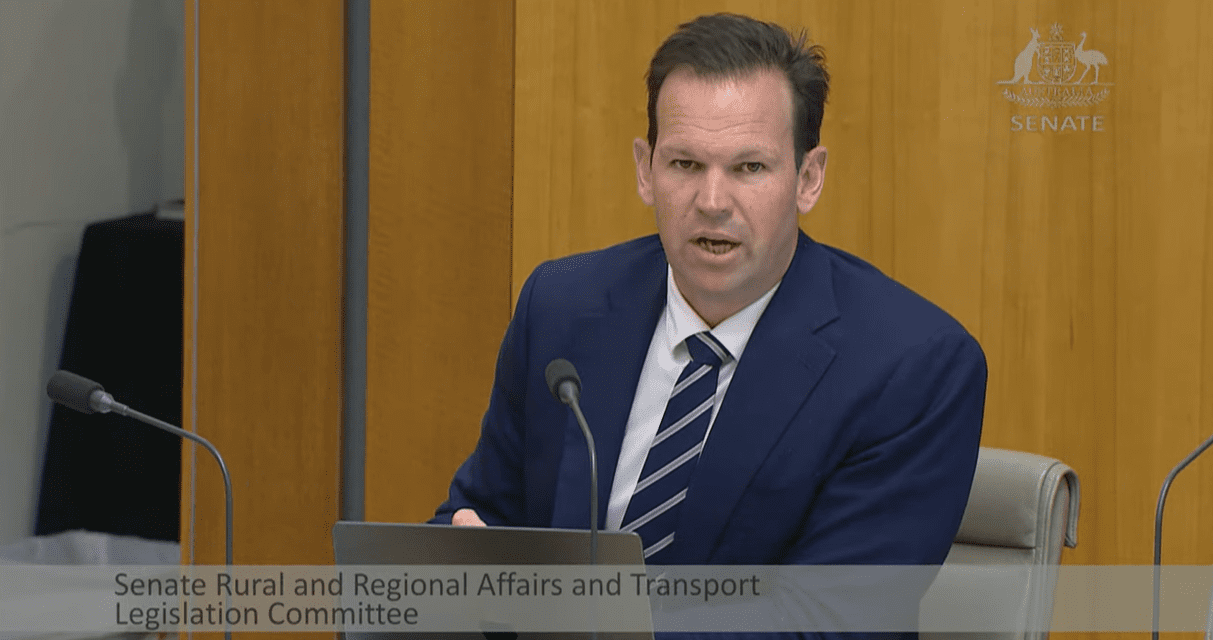
Matt Canavan speaking in Senate Estimates.
Nationals leader Matt Canavan said working holiday makers were a small, but important, portion of Australia’s migration.
“It isn’t good enough that Labor’s attempt to curb migration through its out-of-control temporary visa program is stopping small businesses from getting the workers they need,” Senator Canavan said.
“We do need to bring migration numbers down, but we have 3 million people in Australia on temporary visas, or an extra million on temporary visas than before COVID. Of that extra million, just 65,000 are on working holiday maker visas – or 6.5 per cent.
NFF President Hamish McIntyre said Working Holiday Makers were an important part of the workforce mix that keeps farms safe, productive and able to get food and fibre to market at an affordable price.
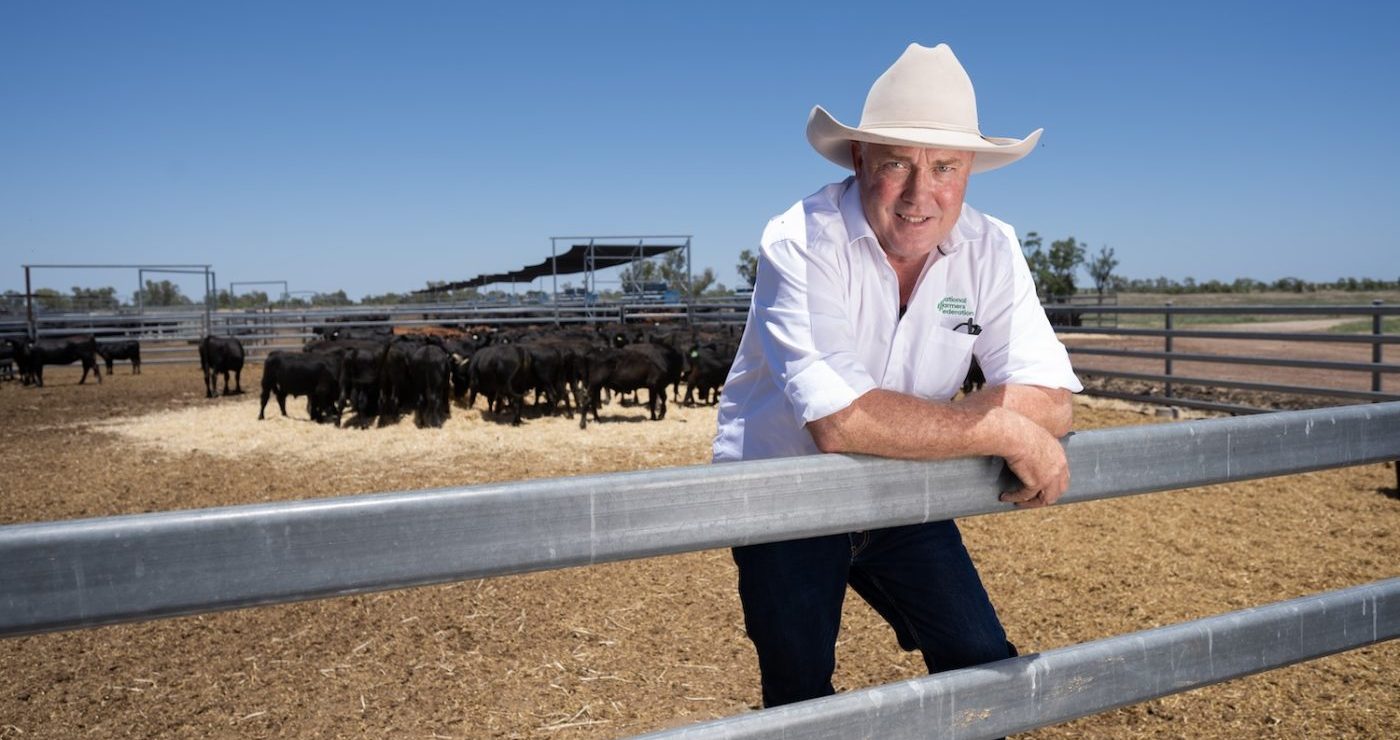
NFF president Hamish McIntyre
“Working Holiday Makers fill around one in seven farm jobs nationally and are especially important in peak periods, including harvest, planting and intensive production systems like dairy and horticulture,” Mr McIntyre said.
“Farmers are telling us workers they expected to arrive have not arrived, crops still need to be harvested, cows still need to be milked and the workload is being pushed onto fewer people.
“That creates serious health and safety risks and unnecessary liability. Some farmers are already working longer hours because of the workforce gap, and that is not a sustainable or safe option.”
Mr McIntyre said the timing could not be more serious, with each day of slower processing or paused lodgements moving farms closer to winter grain crop and summer harvests without certainty about whether they will have the workers they need.
“If farms cannot access workers at the right time, the consequences do not stop at the farm gate. They flow through local businesses, regional economies, supply chains and ultimately all Australian at the checkout,” Mr McIntyre said.
“What agriculture needs now is immediate clarity, restored processing and genuine consultation before any further reforms are made.”
Farmers need to plan
New South Wales Farmers president Rebecca Reardon said farmers cannot afford uncertainty over a workforce pathway the agriculture industry heavily relies on.
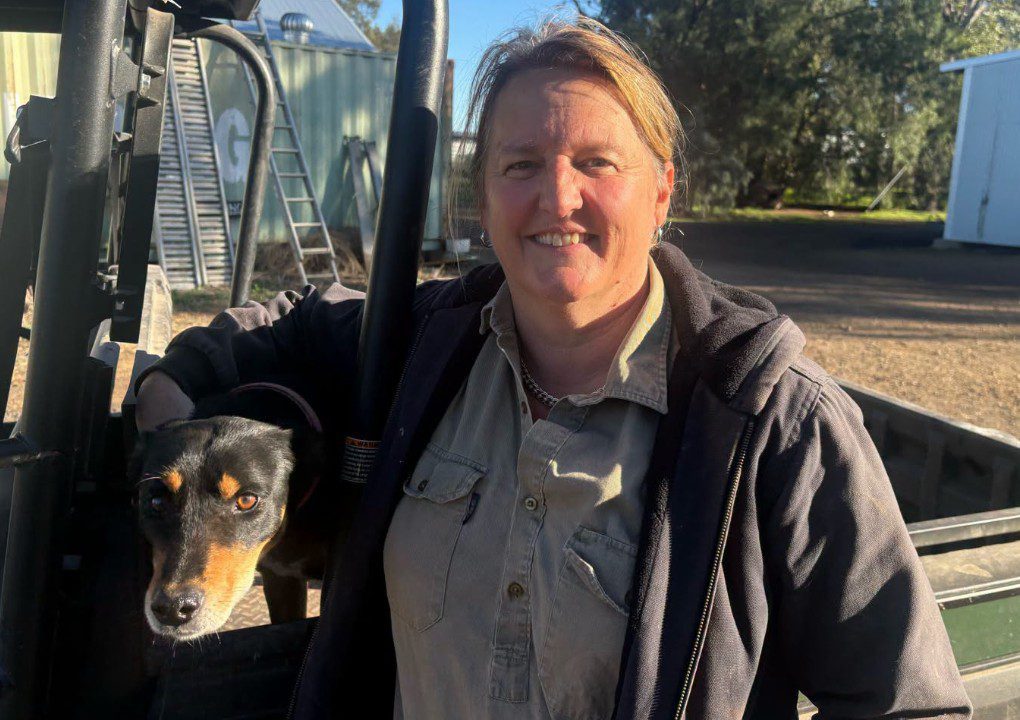
NSW Farmers president Rebecca Reardon.
“Farmers plan their workforce needs months in advance, and they need confidence the workers they have lined up will actually be able to be here when they are needed,” Ms Reardon said.
“Right now, there are grain growers preparing for harvest who have already made arrangements with international workers, but delays in visa processing are putting those plans at risk.
“A crop won’t wait because a visa application is sitting in a queue. When harvest arrives, farmers need workers on the ground and ready to go. Working Holiday Makers make up around 44 per cent of the horticulture peak harvest workforce. Without them, crops go unharvested and food prices rise.”
Benefits beyond farm gate
NSW Farmers says the contribution of working holiday makers extends well beyond the farm gate, supporting small businesses and jobs across country towns.
“Working Holiday Makers stay in regional towns and spend money with accommodation providers, retailers, pubs, cafes and other local businesses, so any reduction in their numbers flows through regional economies.”
Ms Reardon said the Federal Government must be transparent about its intentions for the WHM program and ensure processing delays were not being used to restrict participation.
“For many small and highly seasonal farming operations, there simply isn’t a like-for-like alternative.
“If the Government wants to change the Working Holiday Maker program, it needs to say so and genuinely consult with the farmers and regional businesses that rely on it.
“Our message from Canberra today is simple: we must retain the current settings, get visa applications moving again and administer the program according to genuine demand.”
“Workforce certainty isn’t just an immigration issue for farmers, it’s a food security issue for everyone – and determines whether we can get Australian food and fibre off the farm into the hands of consumers.”
Source: NFF, The Nationals, NSW Farmers
HAVE YOUR SAY