
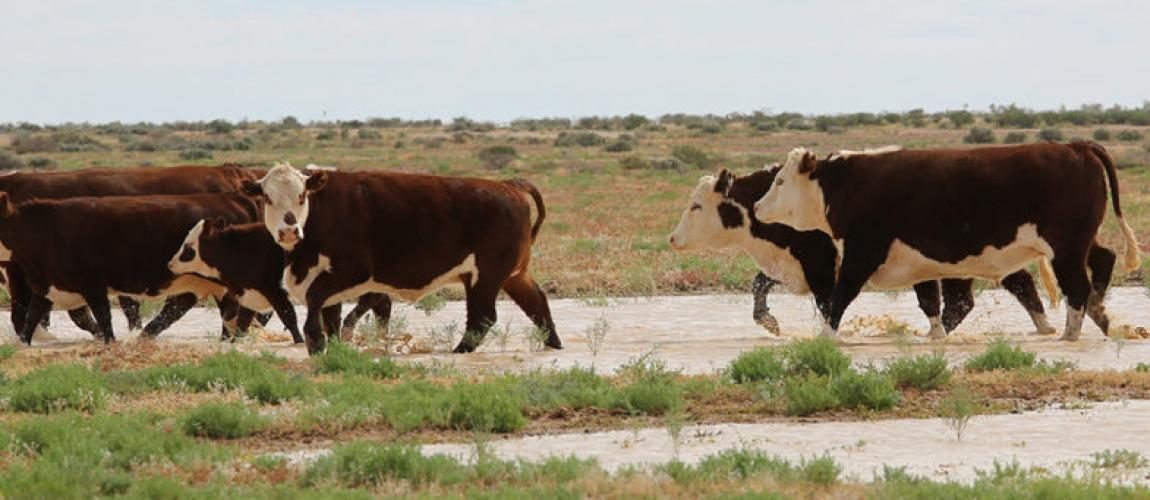
BIG numbers of cattle are starting to move out of the Channel Country this week, nearly two months later than usual after a huge wet season.
Access to cattle has remained restricted with continuous falls off rainfall prolonging the floods in the Diamantina, Georgina and Cooper systems.
Despite some rain in the region overnight, transport companies and producers have told Beef Central they are hopeful it won’t further delay the movement of cattle.
John Rogers, from Martins Stock Haulage and Camrandale Transport in Quilpie said the long wet season had pushed the turn-off six to eight weeks behind the normal season.
“We have flat out bookings from now until the middle to last week of November at this stage,” he said.
“All our bookings at present are for bullocks or forward feeder cattle, that are that bit bigger than a feeder.”
Mr Rogers said regardless of what the weather does, transport companies have a lot of work in front of them given the huge number of cattle in the Channel Country currently.
“A lot of cattle have come in from different places, whether the cattle have been bought or have come from breeder places in the north, there is an abundance of feed here at the moment, so producers have bought in big numbers of cattle,” he said.
“That will mean next year will be a big one again, just because of the number of cattle here. These places are full to the max.”
Rain welcome as temperatures warm-up
Off the back of a 29-degree day Quilpie received 20 millimetres of rain Monday night, which livestock agent, Sam Bartlett from Bartlett and Co said would help freshen the feed.
He said there had been some bigger falls, but most reports were of 10-20mm in his area and west to Windorah.
There was also rain falling in the Channel’s catchment area but again given the delays to accessing cattle it is hoped the rain is enough to freshen paddocks, without slowing mustering and trucking programs.
“It’s very strange to get August rain here, especially off the back of rain in May, June and July, but here we are,” Mr Bartlett said.
“This rain is going to do a lot of good because we’re unlikely to see too much cold weather from now on, so herbages will react in a positive manner, they will be green and fresh and it might be warm enough to get a few grasses going again, especially those that have already established.”
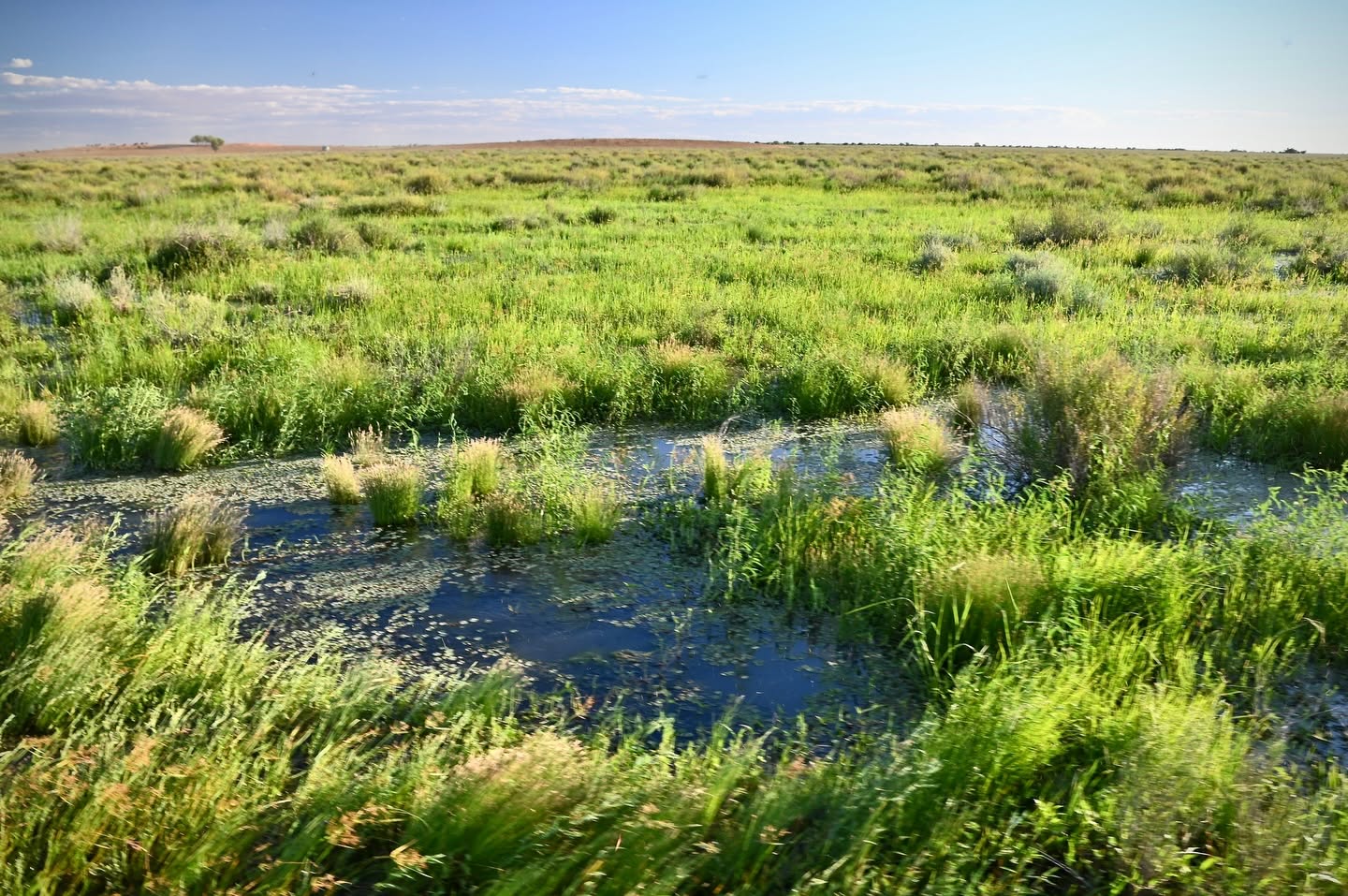
(Image supplied: Helen Commens) Windorah in April, 2026.
‘It looks like the best picture you can find on the internet’
Speaking with producers, agents and transport companies in the Channel Country some have described it as the best season they have ever seen, while others don’t want to put it on a pedestal and instead say it is up there with some of the best seasons ever experienced.
What has made this year’s season stand out is it’s off the back of a number of years of floods, which is unusual for the region.
“For those places that were lucky enough to get either a summer flood or summer rain, followed up by winter rain or flood, it’s just amazing,” Mr Bartlett said.
“It’s probably as good as you’ll ever see for some of this country.
“Probably not so much in our local area of Quilpie, but further west along the major creek systems of the Cooper, Diamantina and Georgina, I think those systems are as good as you’ll see them.
“It looks like the best picture you can find on the internet, that’s how it looks right now.
“When I first came out here in 2011, that was as good as I’d seen it. And I would say this is better.”
Anthony Brook has spent his whole life in the Channel Country and is now the operations manager for Brook Pastoral, which founded OBE organic.
“For some people this will be the best season they have ever seen and without a doubt it is up there in the top 10 per cent of seasons,” he said.
“And last year was much the same, so to have a couple of good seasons in a row has been good.”
Mr Bartlett said producers in the region were making the most of the run of good seasons, with large numbers of cattle moved into the area earlier this year.
“You need to make the most of it while the feed’s there, because some places that have been running 20,000, 30,000, 40,000 cattle, could be back to running 10,000 or 5,000 cattle in the next couple of years if the season turns.”
More ‘traditional Channel Country turnoff’ of bullocks
As Beef Central has written about previously, the Channel Country traditionally turned off bullocks in the late winter, early spring months, but in the last decade that had shifted with the growing lotfeeding industry seeing more feeder cattle turned off earlier.
However, the season this year has decided for a lot of producers, with cattle only now able to be mustered, many of them are coming off as heavy bullocks.
It is also more economical to hold onto the cattle and grow them into bullocks if they look like being too heavy for a feedlot, given there are significant penalties for cattle out of specification.
“Feeder cattle would normally be coming off the channels in April, May, June. But because producers haven’t been able to get access, they are now too heavy. So we’re seeing a lot more bullocks this year compared to what we have seen in the previous years,” Mr Bartlett said.
“It’s probably going to be more of a traditional Channel Country turnoff this year, like what we saw 10 years ago.
“But given the large number of organic producers out here, there’s really only a few players that supply the conventional market.”
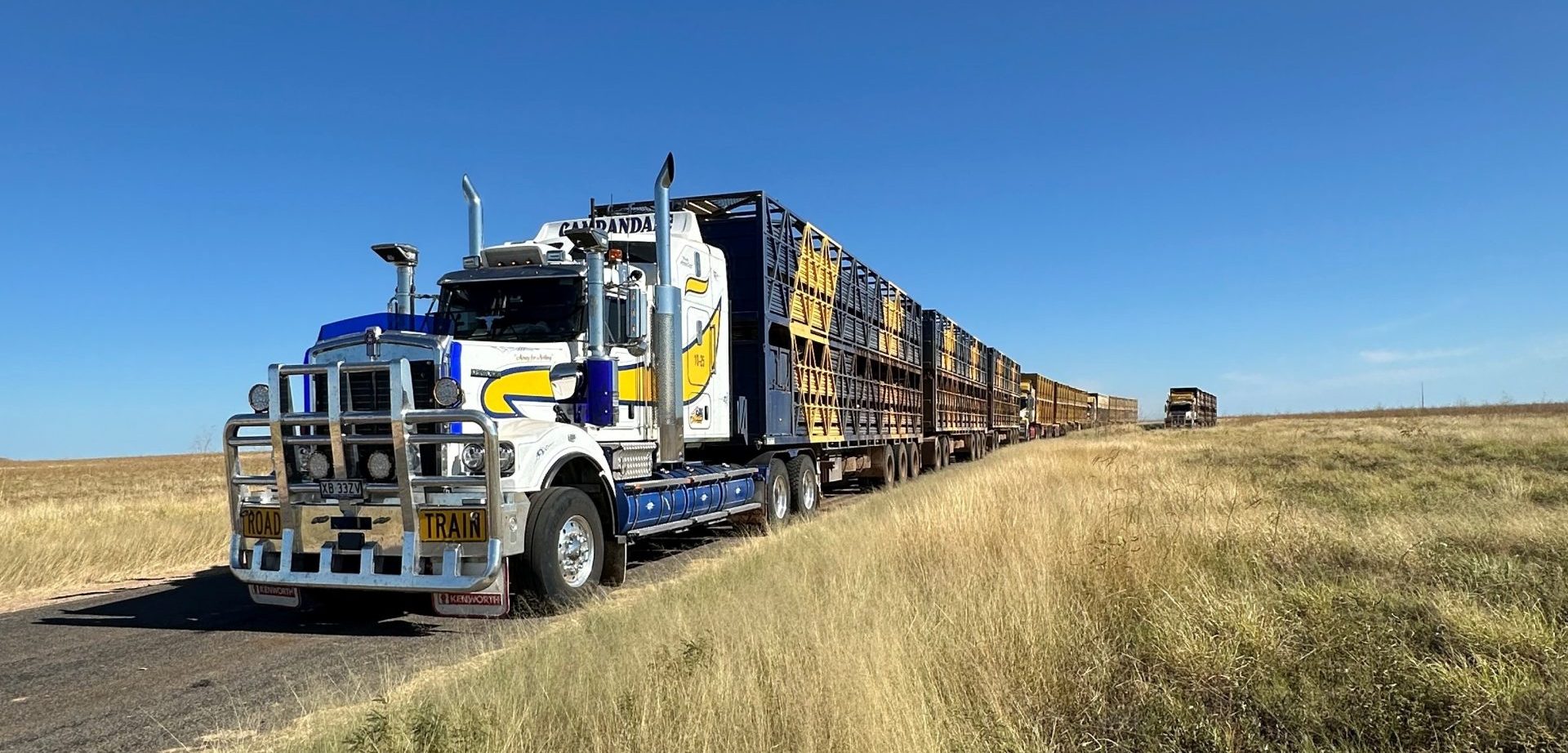
While some properties have moved cattle out of the area already this year Mr Bartlett explained the main turn off was just getting started this week.
“There are going to be some big numbers come from the Channel Country over the next four to six weeks,” he said.
Prolonged road closures have been problematic
As the main supplier of organic cattle to OBE Organic, Mr Brook said the prolonged road closures in the Channel Country had been extremely disruptive.
“OBE supplies customers each week, so we try and truck cattle weekly and we have been able to get trucks out, but only just,” Mr Brook said.
“It has been really difficult with both the Birdsville and Strzelecki tracks closed at times, it’s caused a lot of issues.
“And because the of the consistency of the rain, the roads will open, then they close, then they open – there is a lot of uncertainty which makes it really hard to plan.”
Mr Brook explained the prolonged wet season and regular drops of rain throughout winter, whilst its great for the country it has meant the roads have been closed for longer than normal.
“It has been difficult to make the most of the seasons the last two years because of the impact to the roads, which have really only been open for half the year,” he said.
“We do find a way most weeks to get cattle out, we have small property at Goondiwindi to hold cattle when roads are shut in the channels.
“So we can handle a week or two of roads being shut but when you get into month long closures that’s pretty difficult for a business to overcome.”
Mr Brook said he would like to see improvements made to the Strzelecki track in South Australia urgently to allow businesses and the communities to operate normally again.
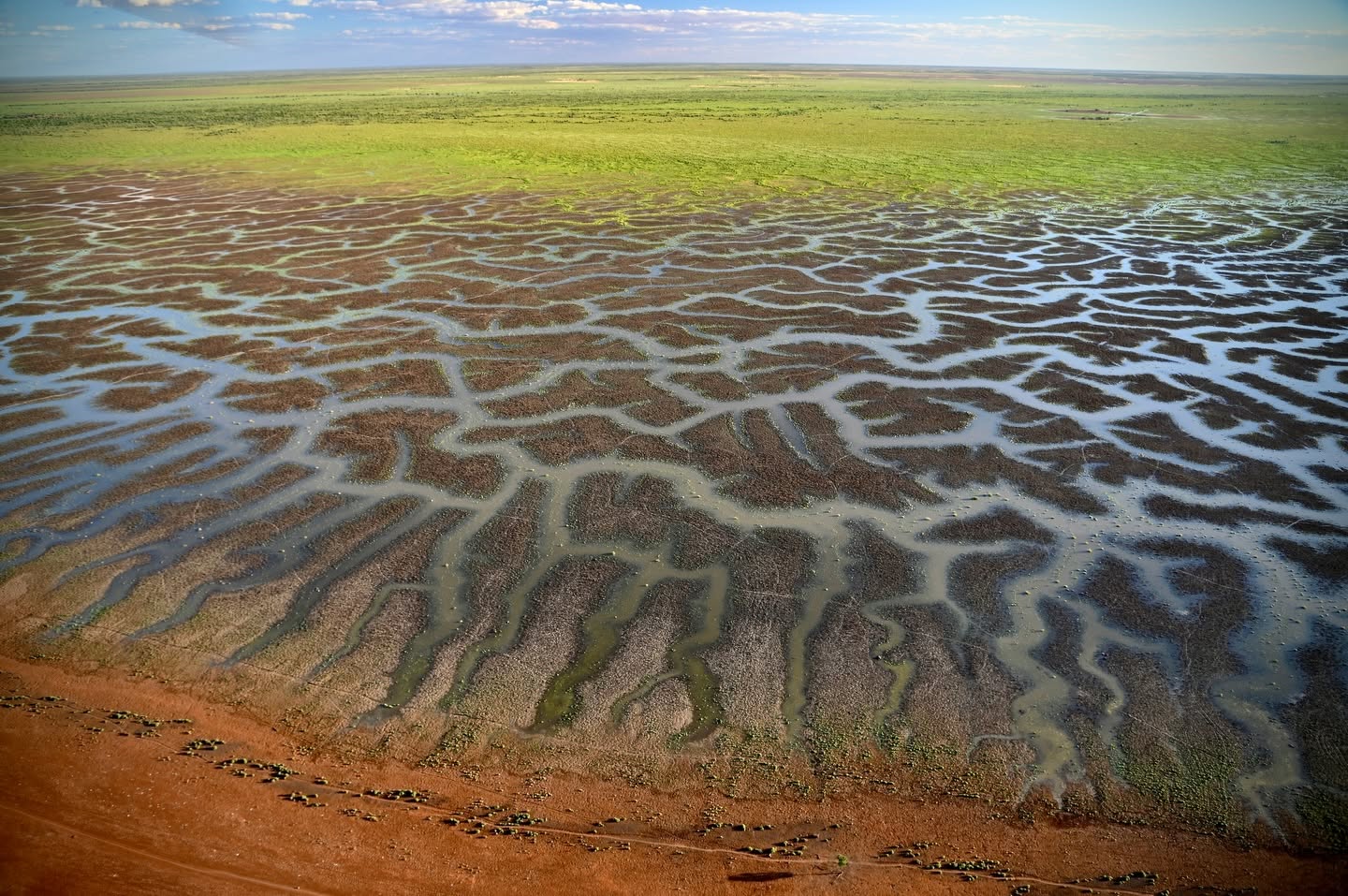
(Image supplied: Helen Commens) The Channel Country in flood April 2026.
HAVE YOUR SAY