
For many producers, the first generation of livestock monitoring technology solved a simple but important problem: knowing where cattle were without having to physically locate them.
Today, the conversation has shifted.
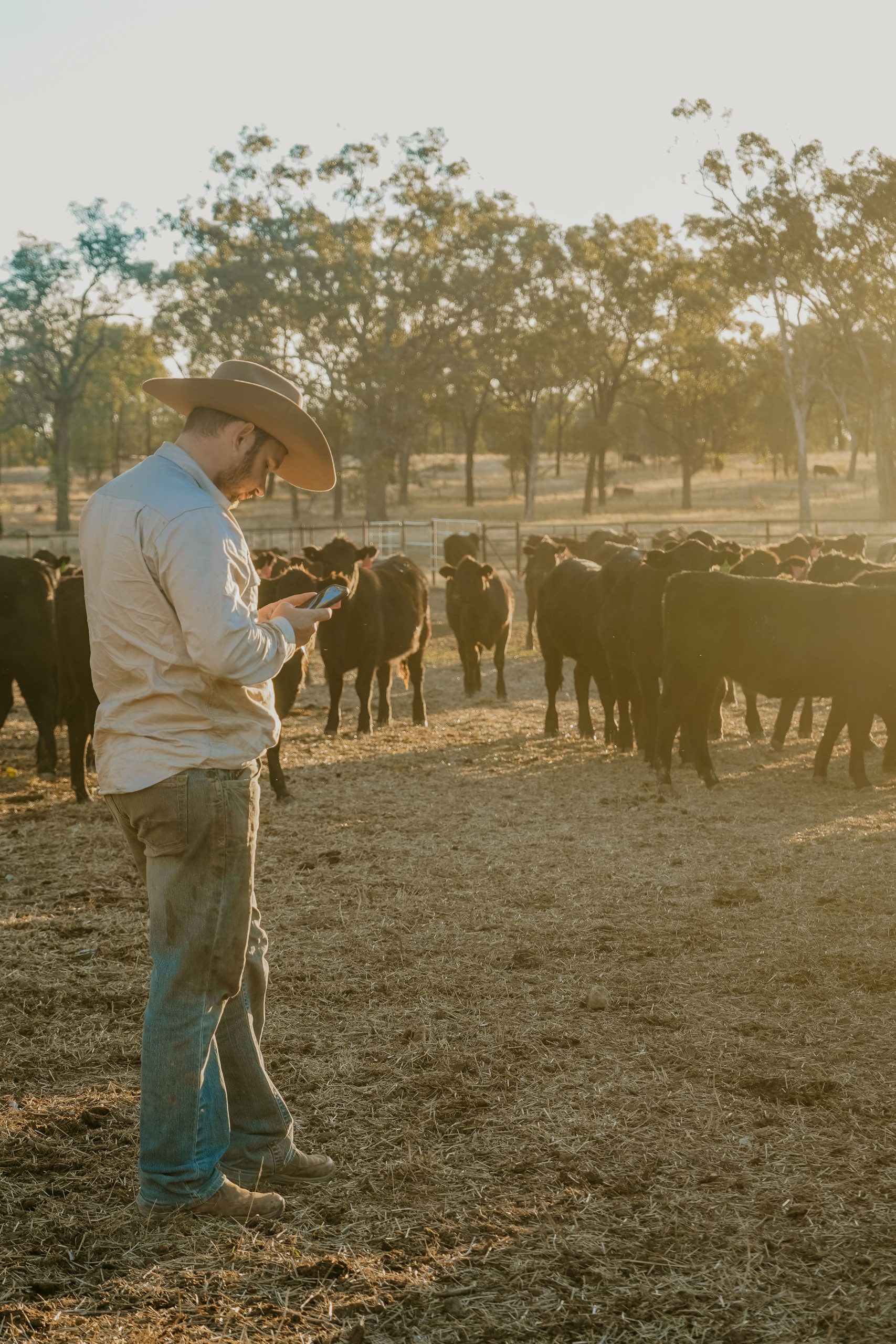 As beef businesses face ongoing labour shortages, tighter margins, rising input costs and increasing pressure to improve productivity, producers are looking for more than a dot on a map. They’re seeking tools that help them make better management decisions, improve efficiency and ultimately drive profitability.
This evolution has been reflected in the livestock monitoring market itself.
When CERES TAG launched its first direct-to-satellite smart ear tag in 2020, the ability to remotely monitor cattle location without towers, infrastructure or additional hardware was a significant step forward for extensive grazing operations.
Six years later, the technology has evolved well beyond location tracking.
CERES TAG’s latest platform, CERES GEN6, combines location monitoring with daily behavioural, reproduction and feed efficiency insights, helping producers better understand what is happening across their herd and act sooner when conditions change.
Rather than simply helping producers find cattle, the technology is designed to support management decisions throughout the production cycle.
The question many producers now ask is no longer “Where are my cattle?” but “What are my cattle telling me?”
Five ways producers can generate a return on investment from livestock data
Improve reproductive performance
Reproduction remains one of the most significant drivers of profitability in cow-calf enterprises.
Missed heats, extended calving intervals and undetected calving issues can quietly reduce productivity and profitability each season.
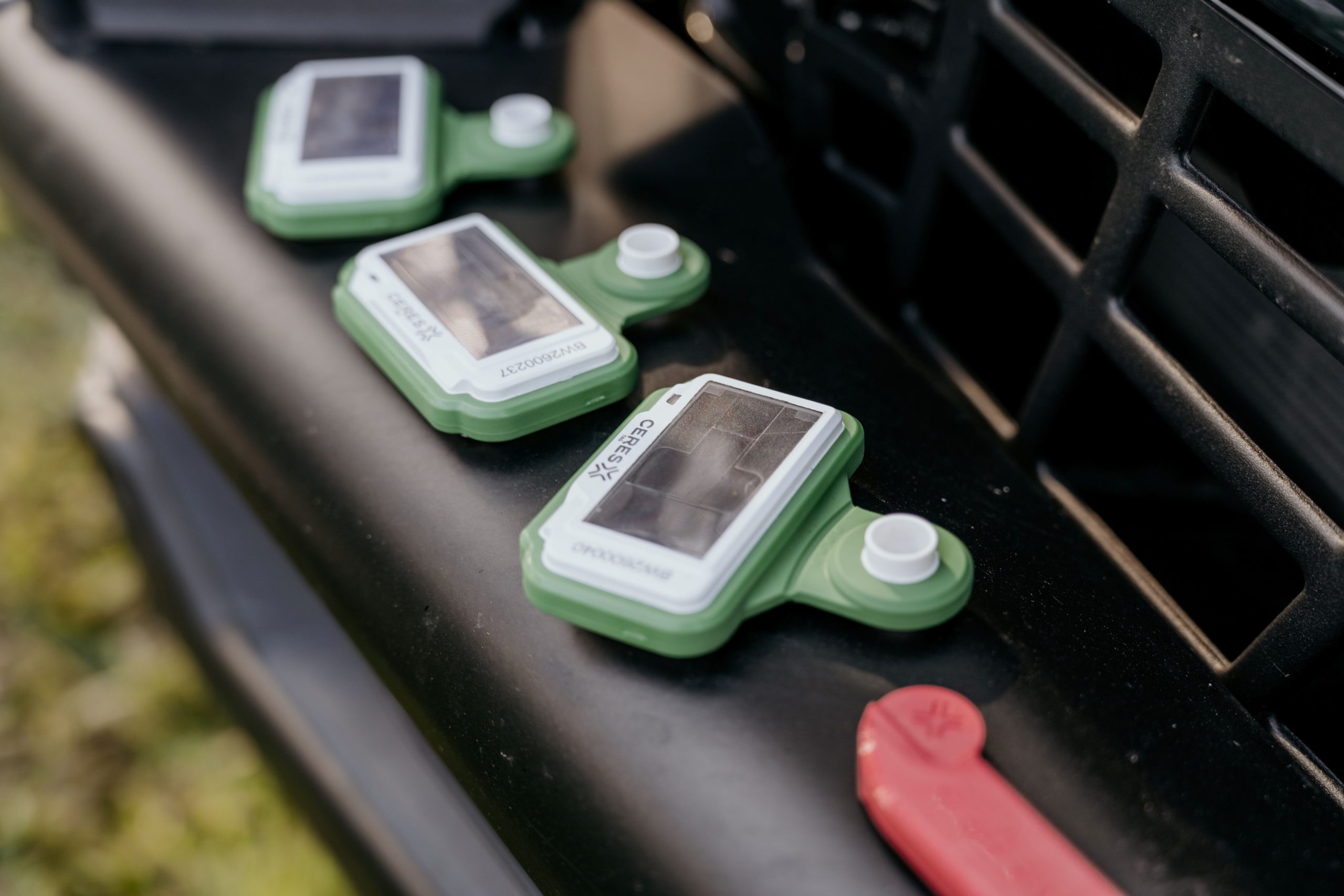 CERES GEN6 continuously monitors behavioural patterns associated with oestrus activity, calving events, helping producers identify key reproductive events and respond earlier.
The value of even small improvements can be substantial.
For a 200-head breeding herd, a five percent increase in calves weaned could equate to:
10 additional calves × $2,000 = $20,000 in additional annual revenue
When every calf counts, improved visibility into reproductive performance can have a direct impact on the bottom line.
Make more informed feed and grazing decisions
Feed is typically the largest operating cost in beef production, yet in extensive grazing systems it can be difficult to accurately measure how effectively animals are utilising available pasture.
Behavioural data such as grazing time, rumination, resting patterns and daily movement can provide valuable insight into how animals are interacting with their environment.
By monitoring these indicators, producers can improve pasture utilisation, identify underperforming animals earlier, make more informed supplementation decisions and better understand grazing pressure across paddocks
Even a modest five percent improvement in feed efficiency can represent $10,000-$15,000 in annual value across a commercial herd.
Reduce labour requirements and improve operational efficiency
Labour shortages continue to challenge beef businesses across Australia.
Remote monitoring allows producers to spend less time locating cattle, checking paddocks and collecting information manually, while enabling management decisions to be made from a single platform.
The benefits can include reduced vehicle and fuel costs, fewer unnecessary paddock inspections, reduced mustering time and cost, more efficient allocation of labour resources
Conservative estimates place these savings at $5,000-$10,000 annually, while larger operations may realise significantly greater benefits through reduced helicopter or contract labour costs.
Enable earlier intervention during health and environmental events
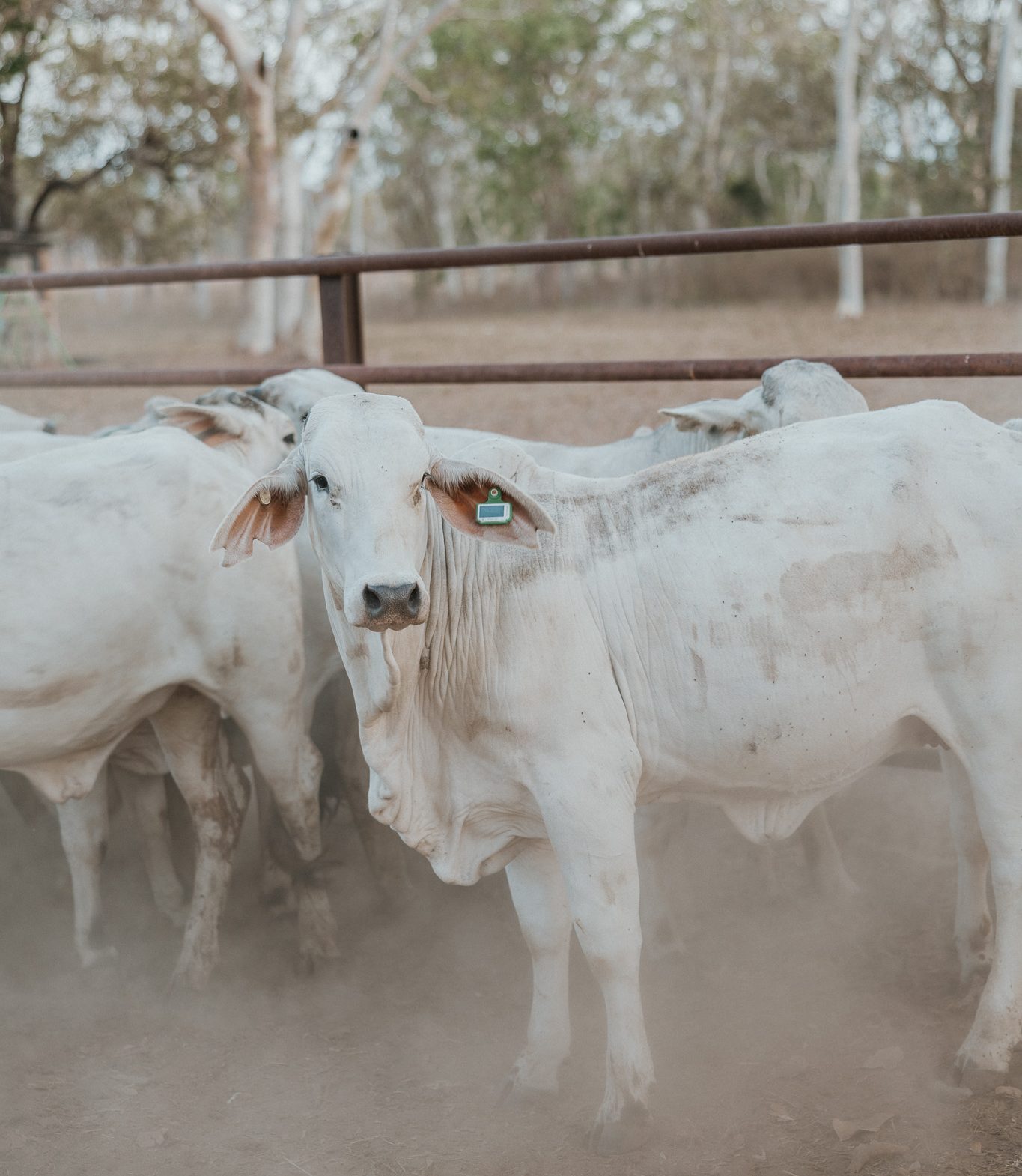 Whether the challenge is disease, injury, nutritional stress, flood events or biosecurity threats, behavioural changes often occur before visible symptoms appear.
Continuous monitoring helps identify abnormal activity patterns that may indicate an emerging issue.
Early intervention can reduce treatment costs, improve recovery outcomes and minimise production losses.
The economics are straightforward.
Preventing the loss of a single breeder valued at approximately $4,000, or a bull worth $7,000 or more, can offset a significant portion of annual monitoring costs.
In high-value breeding programs, the financial impact can be even greater.
Respond faster to theft, predator attacks and boundary breaches
Theft, predator pressure and escaped livestock remain costly challenges for many producers.
When incidents occur, speed matters.
CERES GEN6 provides boundary breach notifications, activity alerts and location tracking that help producers identify unusual events sooner and respond before losses escalate.
Whether it’s locating escaped stock, identifying suspected theft activity or investigating predator attacks, real-time visibility provides valuable time and information when it matters most.
The value of preventing the loss of just one animal can be significant:
One cow saved = up to $4,000 retained revenue
From monitoring to management
The biggest shift occurring in livestock technology isn’t simply the ability to collect more data. It’s the ability to turn that data into practical management decisions.
Location tracking remains important, but producers increasingly want answers to bigger questions like; Which cows are cycling? Which animals are underperforming? How effectively is pasture being utilised? Are there early signs of health issues? Where should labour be focused today?
By combining location, behaviour, reproduction and feed efficiency insights into a single platform, livestock monitoring is moving beyond asset tracking and becoming a management tool.
For producers evaluating the return on investment of livestock technology, the opportunity is no longer limited to finding cattle faster.
The real value lies in making better decisions, earlier, and capturing the productivity gains that follow.
Click here for further information or Email Info@cerestag.com .

HAVE YOUR SAY