
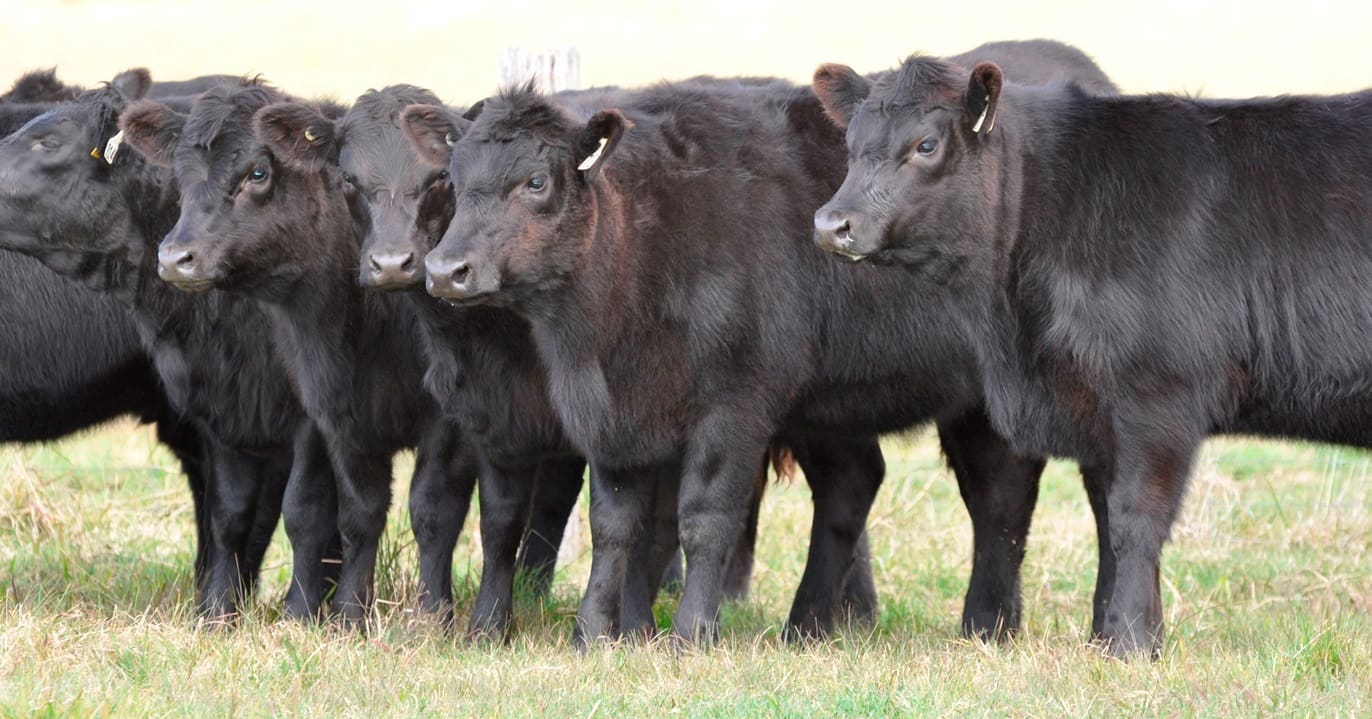
NEW beef gross margin budget calculations show that returns from all NSW beef enterprises have improved since July 2025, driven by rising cattle prices and strong performance in the feedlot sector.
The recent analysis from the NSW Department of Primary Industries and Regional Development shows that enterprises have benefited from increased livestock stock prices, although much of that increase has been driven by rain since the end of April.
Analyses show returns from NSW inland weaner production increased from $42 to $63 per Dry Sheep Equivalent (DSE), while coastal weaners on improved pasture increased from $38 to $60/DSE.
Returns from producing feeder steers via a self-replacing herd increased significantly, from $59 to $83/DSE while growing out purchased weaner steers to feedlot weights increased from $69 to $77/DSE.
Returns from producing heavy grassfed steer and heifer yearlings direct to processors also increased, from $50 to $64/DSE.
Encouraging signs
New South Wales DPIRD beef development officer Todd Andrews said the latest gross margin figures show encouraging signs for all NSW beef producers.

Todd Andrews
“Despite some cost pressures, particularly for fertiliser, the overall uplift in cattle prices, particularly for young cattle has strengthened returns across key beef enterprises,” Mr Andrews said.
Increased prices for weaner heifers in particular suggested that producers are anticipating strong demand for breeding age females in 2027, to replace the many thousands of cows that were processed during the dry start to this year across NSW and southern Queensland.
The Australian feedlot sector continues to expand, with a record 1.65 million cattle currently on feed and this is reflected in strong returns for feeder steer breeding enterprises.
Grow-out operations have not kept pace
Higher prices for Angus weaner steers have meant that returns from grow-out operations that rely on purchased steers have not kept pace.
Although still very strong, the increase in gross margins in the last 12 months is not as good for those producers purchasing angus weaners and backgrounding them to feedlot weights, compared with those producing & selling the angus weaners.
“Why? It all comes back to pricing,” Mr Andrews told Beef Central.
Angus weaner steers for the current gross margins were valued at 652c/kg liveweight while feeder steers were valued at 605c/kg.
“Compare that to a year ago when the weaners were 460c/kg and the feeder steers 470c (the fact that the weaners were a lower value per kg was an unusual set of circumstances).”
Growth in lotfeeding
Feedlot industry growth has been driven by both global and domestic factors, with Australian feedlots filling the gap left by declining US grainfed beef supply, and beef producers increasingly supplying feedlots with younger animals at higher prices per kilogram, to improve returns and manage seasonal variability.
 “Looking ahead, the forecast El Nino will no doubt have the final say on prices in the second half of this year,” Mr Andrews said.
“While recent rain and above average winter temperatures have contributed to positive market sentiment, cows in many herds will soon be calving and continued rain to boost dams and keep pastures growing into the spring is still required in many areas.
The price volatility experienced so far in 2026, with the potential of more to come, further highlighted the fact that price received is often beyond the control of the producer, Mr Andrews said.
“What they can manage is productivity, business costs and risk exposure and those producers who achieve that will be most profitable,” he said.
- Angus weaner prices for the gross margin calculation are sourced from NLRS data, quoted from store sales at Dubbo, CTLX Carcoar and TRLX Tamworth for 200-280kg Angus steers.
- Angus feeder prices are sourced directly from prominent NSW feedlots.
Click here to view a sample of the gross margin for NSW coastal weaners
Click here to access the full list of Beef Gross Margin Budgets for 2026 and previous years.
Source: NSW DPIRD
HAVE YOUR SAY