
MANY readers will be familiar with the expression “Select the cows for the environment and the bulls for the market.” Generally, this is good advice, however, like all generic doctrine, there are limitations to applying it in practice.
If bulls were purchased only to produce progeny for sale, the advice would be relatively straightforward. Most bulls, however, are expected to produce not only sale progeny, but also replacement females that will shape the herd for years.
Meat & Livestock Australia’s Beef Producer Intentions Survey highlights the importance of this second role. The survey taken in November 2025 found that 49 percent of southern producers and 51pc of northern producers expected to increase their cattle numbers over the following 12 months.
Among those producers, retaining more replacement heifers was the most common way of increasing numbers, nominated by 49pc of southern producers and 50pc of northern producers.
The most recent survey, released in April this year, found that the proportion intending to increase numbers had fallen to 26pc in both regions. Nevertheless, the November results indicate that where expansion does occur, much of it will rely on females bred within existing herds.
Two objectives
Given bulls are expected to produce both sale progeny and future breeders, producers face a more complex selection decision. Traits that add value to sale progeny may deliver an immediate return, while the fertility, adaptation and longevity of retained daughters will influence herd performance for years.
A bull expected to produce both sale cattle and replacement females must therefore be assessed against both objectives.
The reproductive results reported in the November survey provide further context. Across northern herds, 94pc of breeding cows were joined, with calves delivered or expected representing 61pc of cows joined.
In southern herds, 82pc of breeding cows were joined, with calves delivered or expected representing 86pc of those joined.
These results reflect differences in environments, seasons and joining systems and should not be interpreted as a comparison between breeds or regions. However, they highlight the different reproductive outcomes and production challenges experienced across northern and southern breeding systems.
 These differences need to be considered when introducing genetics into northern herds, particularly when daughters will be retained.
Northern cow herds have been subjected to considerable selection pressure from their environment. Females unable to remain productive through difficult seasons are less likely to remain in the herd.
While this has helped retain adaptation, it is also a slow and expensive selection process. Placing greater emphasis on adaptive characteristics when selecting bulls offers an opportunity to make that selection more deliberate.
Bos taurus genetics may appeal for market reasons, including growth, carcase performance, eating quality or access to market premiums. When daughters are retained, however, these potential benefits must be balanced against the need for females to remain productive in their breeding environment.
A bull supplies half the genetics of every daughter he produces and will therefore influence fertility, heat tolerance, parasite resistance, coat type and the ability to maintain condition under nutritional pressure. The issue is not whether a temperate sire will influence adaptation, but how much is known about that influence and how his daughters are likely to perform under the conditions in which they will be expected to breed.
Breeding programs serving tropical production systems have placed considerable emphasis on traits such as days to calving, scrotal circumference, temperament and, in some cases, coat type.
Temperate breeds also record several of these traits, but much of their performance information has been generated outside the northern environments in which their daughters may ultimately be expected to perform.
This information still has value. It can identify genetic differences between bulls for the traits recorded, but it may not fully describe how those differences will be expressed under northern conditions.
Sire re-ranking
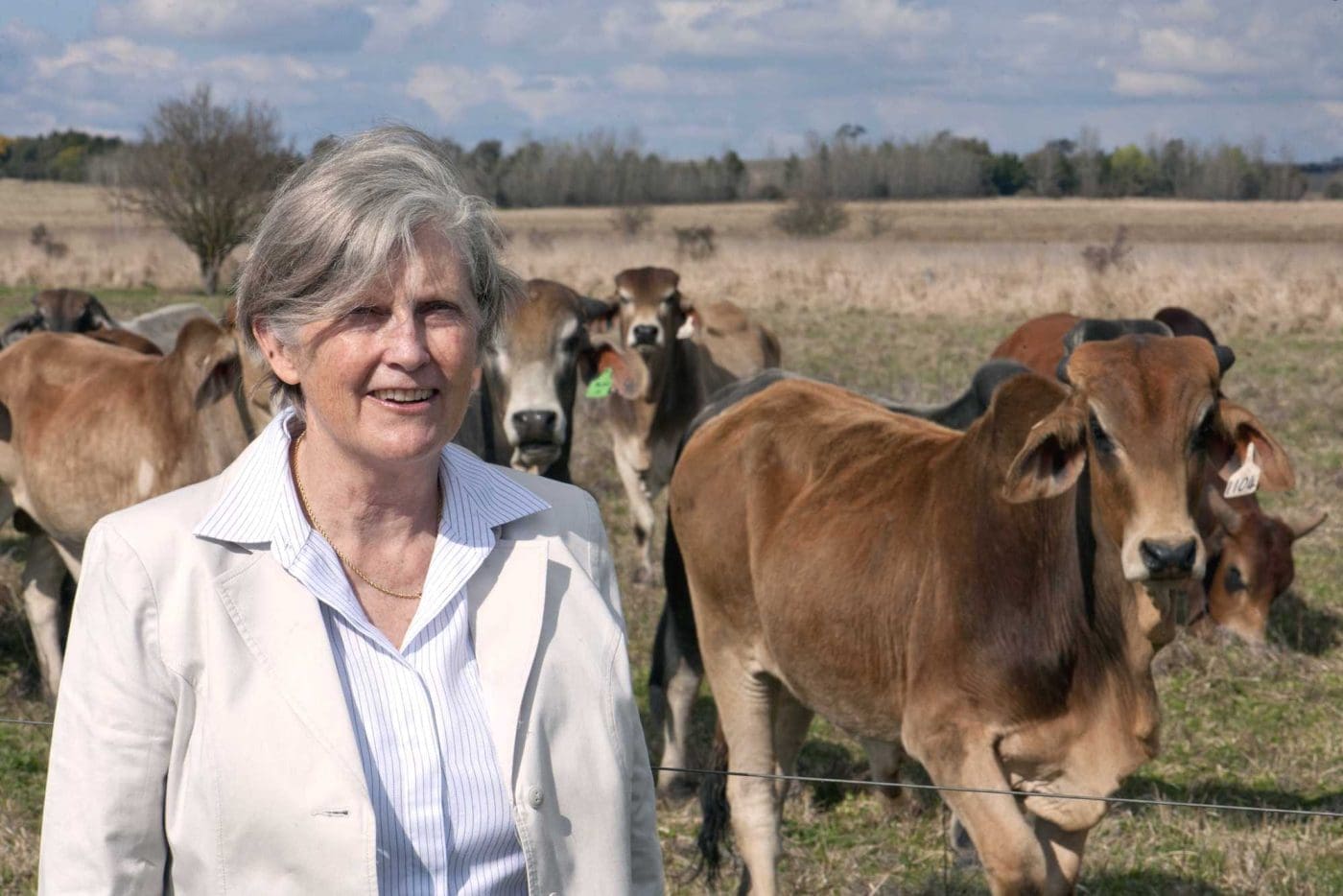
Prof Heather Burrow
A review by Professor Heather Burrow (well known to many as the former head of the Beef CRC), published in the journal Animal in 2012, found that sire re-ranking can occur when poorly adapted breed types are evaluated across markedly different environments, particularly when animals selected under temperate conditions are used in subtropical production systems.
In practical terms, a bull that ranks highly within a temperate breeding program may not maintain the same relative advantage when his progeny are exposed to greater heat, parasite burdens or nutritional pressure.
This does not mean the bull, or his progeny, will necessarily perform poorly. It means the available figures may not fully predict how his progeny will rank under northern conditions, particularly where adaptive traits have not been measured.
Prof Burrow also found that tropically-adapted cattle were less likely to change their relative ranking when moved between temperate and tropical environments. However, she identified the shortage of reliable records for adaptive traits as a major barrier to genetic improvement in tropical production systems.
James Copley
More recent research led by quantitative geneticist Dr James Copley, undertaken at the University of Queensland’s Queensland Alliance for Agriculture and Food Innovation, examined fertility records from 21,037 commercial northern cattle.
The researchers found limited statistically significant evidence of animals re-ranking across the heat-load and nutritional environments studied.
It is important to recognise that these findings were based on cattle running in northern production systems. The results provide confidence that fertility information generated within adapted northern populations can be used to select across a range of northern environments.
The study did not show how cattle selected or evaluated only under temperate conditions would perform or rank when introduced into northern production systems.
The practical distinction is that performance data can identify genetic differences for recorded traits, but it cannot provide evidence of adaptive performance that has not been measured. If comparable daughters have not been evaluated under northern conditions, neither study can tell a producer how a particular temperate sire’s daughters will perform in the Gulf, the Kimberley or Western Queensland.
This does not mean that Bos taurus bulls should not be used or that they will not perform in northern systems. Producers considering these genetics need to recognise which parts of the selection decision are supported by information relevant to their environment and which parts remain uncertain.
Northern producers already use a wide range of breeds and levels of adapted content. However, the considerable variation between northern environments means the appropriate genetic balance must be determined for the individual production system rather than based on a generic concept of “the north.”
This reinforces the need for producers to have a clearly defined breeding objective before selecting bulls.
Will all the progeny be sold, or will some daughters be retained? Which traits are most likely to limit the performance of those daughters? How relevant is the available information to the environment in which they will be expected to breed?
Producers should also consider how much adapted content the cow herd needs to retain and whether the market advantage being pursued is large and reliable enough to justify any additional management required to maintain reproductive performance.
The lesson is not that genetic change should be avoided. The appropriate degree of change depends on the country, production system and market.
While access to genetic information continues to improve, selection decisions still come down to how much of the cow herd’s adaptation may be placed at risk and what a producer expects to be paid for accepting that risk.
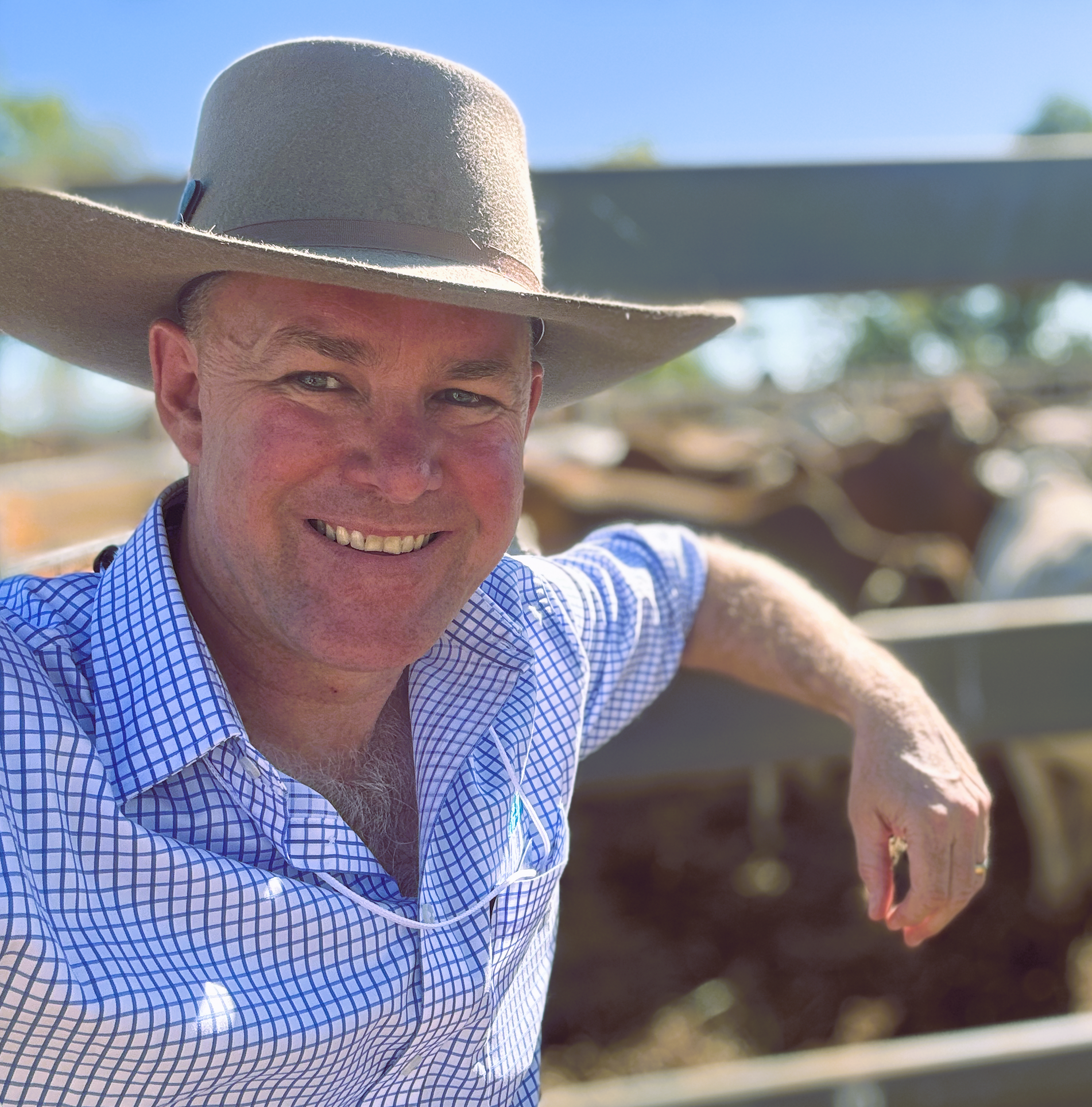 Alastair Rayner is the Strategic Account Manager for Southern Australia with Vytelle and Principal of RaynerAg. He has over 30 years’ experience advising beef producers and graziers across Australia. Alastair can be contacted here or through his website: www.raynerag.com.au
HAVE YOUR SAY