EMERGENCY animal disease preparedness and national industry representation were among key issues discussed at one of the first face-to-face consultation meetings held for Cattle Australia’s grass-fed Cattle Transaction Levy review which have kicked off this week.
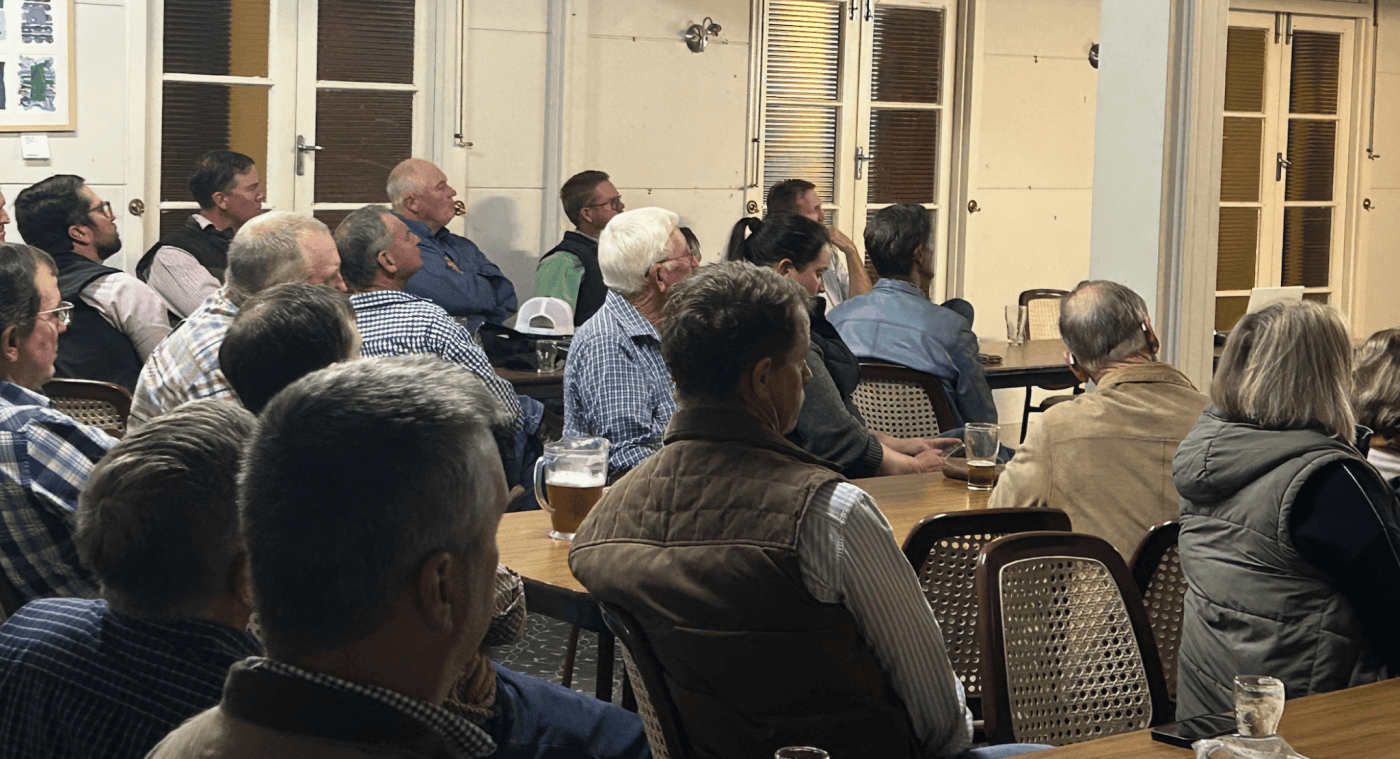
The first of 36 producer consultation sessions that will be held around Australia from now until the end of August have been held in Central Queensland, beginning at Blair and Josie Angus’ Moranbah property on Monday night and continuing at Clarke Creek yesterday and Theodore last night, which Beef Central attended.
The review is the first comprehensive examination of the $5 per head statutory grassfed Cattle Transaction Levy since 2006 and is intended to determine whether the current levy structure, investment priorities and governance arrangements remain fit for purpose.
Cattle Australia CEO Will Evans told last night’s meeting at Theodore, attended by 32 people following similar numbers at Moranbah and Clarke Creek, that Cattle Australia’s role is to set the strategic direction for levy investment and monitor whether those investments are delivering value for levy payers.
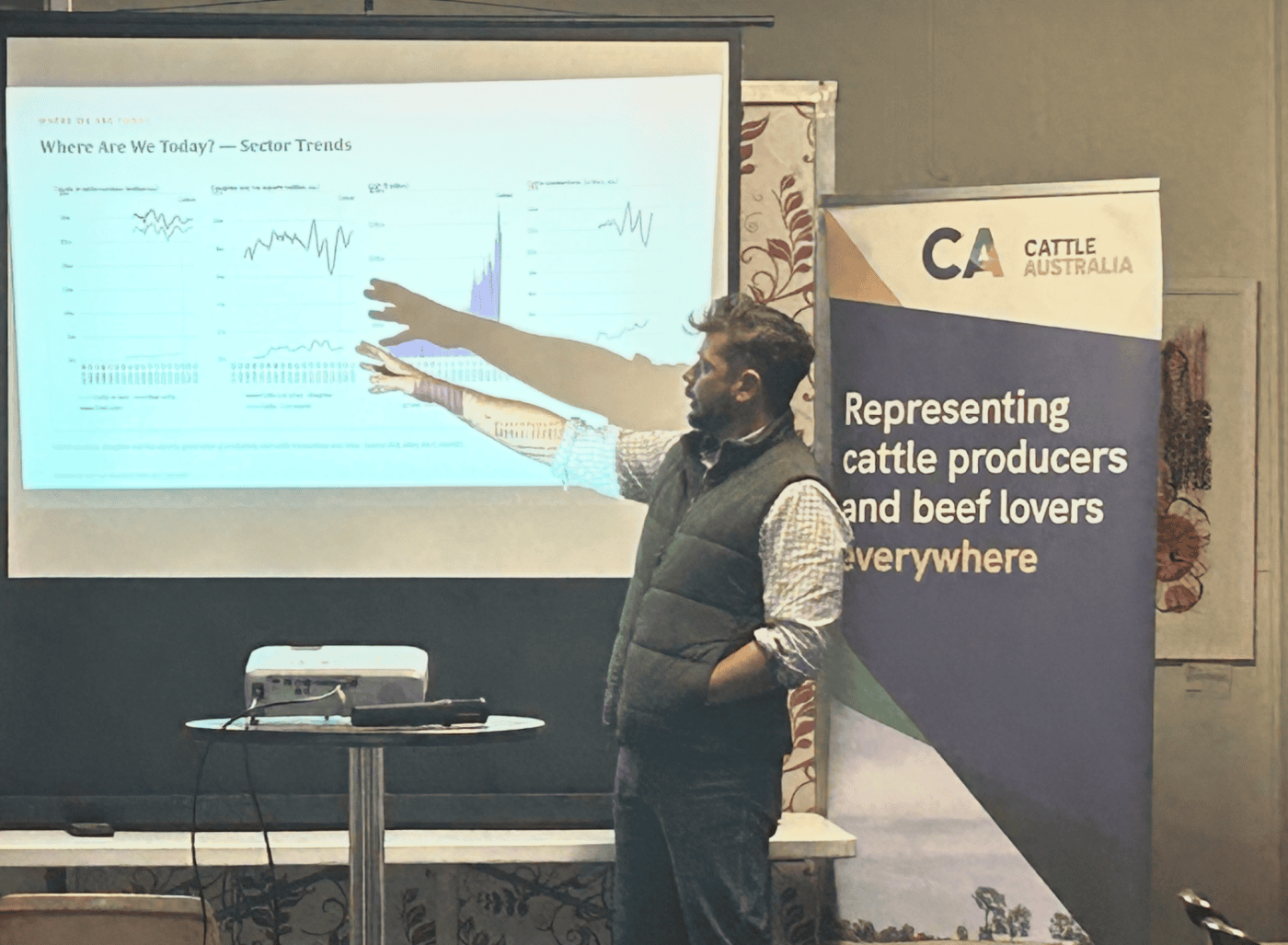 Mr Evans said early feedback from producer surveys suggested there is moderate support for the levy holistically, and also a notable producer interest in having a greater ability to interact with the levy investments being made and general agreement on the need to ensure current investments are fit for purpose.
Among the themes discussed at Tuesday night’s Theodore meeting were concerns about Australia’s emergency animal disease preparedness arrangements and whether existing tools are effective for a major biosecurity event such as foot-and-mouth disease or lumpy skin disease.
Discussion also focused on the how accountable existing levy investments are for levy payers and whether producers should have to pay a an additional fee to have a direct say in industry policy and representation.
Issues being canvassed by the broader review include whether the current mix of levy spending remains appropriate or should change, whether greater flexibility is needed to shift funding between existing investment streams, whether levy funds should be able to support additional activities beyond current investment streams of R&D, marketing, biosecurity and residue testing, and whether future levy reviews should occur more regularly, such as every five or 10 years.
Whether more value can be extracted from the existing $5 levy or whether a change in the levy quantum is needed is also being discussed.
 The review is also considering whether a straight “per head” levy remains the most appropriate mechanism into the future, following suggestions from some producer groups that a value-based percentage levy should also be examined as cattle prices fluctuate over time.
Another key objective of the review discussed on Tuesday night surrounds ensuring the settings are right for future R&D investments and outcomes, and that industry maximises levy investment and does not “leave money on the table” by forgoing valuable Commonwealth matching funding for eligible research and development activities.
Mr Evans said a new discussion paper is being released this week to help guide the next phase of consultation.
Producers are being encouraged to attend upcoming consultation meetings and complete a survey before recommendations are developed.
After more CQ meetings at Bauhinia and Buckland near Springsure today the consultation program next moves to southern Australia, with meetings scheduled at Naracoorte, Mount Gambier, Mortlake, Ballarat, Launceston and Sale later this month before continuing around the country through August.
Feedback gathered during the consultation process will inform draft recommendations to be released in September. Grass-fed levy payers will then vote on any proposed changes at the Meat & Livestock Australia annual general meeting in November, before final recommendations are submitted to the Federal Government for consideration.
The organisers of these gatherings certainly need to come to the North as far as possible this being the entry point of potential incursions of a variety issues that could cripple this great industry Greg Brown