
Latest listings on AgJobs Central recruitment page:
- Regional Livestock Manager – Qld (StockCo)
- Group General Manager – Livestock (Agricultural Appointments client)
- Farm Administrator – Sydney, NSW (Rimanui Farms, via Rimfire)
- HR & Safety Administrator – Sydney, NSW (Rimanui Farms, via Rimfire)
- Feed Mill Manager – Wonga Plains Feedlot (Camm Agriculture)
- Senior Business Manager, Crop Protection and Improvement (GRDC, via Rimfire)
- Livestock Manager – Western Vic (DroverAg client)
- Feedlot Livestock Supervisor – Cataby, WA (Carpenter Beef)
- Agronomy Position, Digital & Research Agronomy – Northern Aust (Ball Group)
- Business Development Manager – NSW (Rimfire client)
- Senior Accountant – NSW (Rimfire client)
- General Manager – Vic (Rimfire client)
- Manager – Specialist Wagyu feedlot, Darling Downs Qld (DroverAg client)
- Head Stockperson – Katandra Station, Qld (Cunningham Cattle Co)
Click here to access these and other exciting meat and livestock supply chain positions currently listed on AgJobs Central.
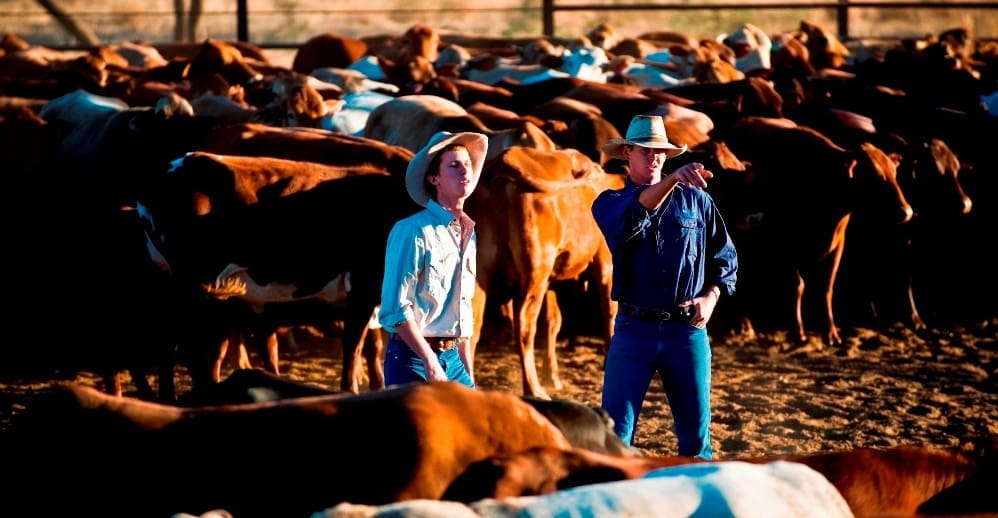
For decades, agricultural professionals often faced a choice between higher salaries in metropolitan areas and the lifestyle benefits of regional Australia. While city-based roles traditionally offered greater earning potential, the gap is becoming less pronounced as employers compete for a limited pool of skilled agri-talent.
Australia’s agricultural sector continues to experience shortages across a range of disciplines, including agronomy, agricultural sales, engineering, operations management and technical services. As a result, many regional employers have increased salary offerings and enhanced employment packages to attract and retain experienced agri-talent.
 The most noticeable shift has occurred in specialist and customer-facing roles. Agronomists, territory managers, farm managers and production managers are increasingly commanding salaries that are comparable to metropolitan positions, particularly when their expertise is in high demand. Employers recognise that attracting quality agri-talent to regional locations often requires remuneration that matches broader market expectations.
However, comparing salaries alone does not provide the full picture. Regional employees frequently benefit from lower housing costs, reduced commuting expenses and a more affordable lifestyle overall. For many professionals and families, this can result in greater disposable income and an improved quality of life compared to living in a major city.
Gap is closing
Regional employers are also becoming more creative with their value proposition. In addition to competitive salaries, many businesses offer vehicle packages, relocation assistance, flexible working arrangements, professional development opportunities and clear career progression pathways. These initiatives are helping organisations attract and retain the best agribusiness and agricultural agri-talent in an increasingly competitive market.
While metropolitan areas still tend to offer higher remuneration for senior corporate, executive and head-office-based positions, the difference is narrowing across many operational and technical roles. The rise of hybrid work arrangements has also enabled some professionals to live regionally while maintaining connections to metropolitan employers.
For employers, the message is clear: salary expectations have shifted, and regular benchmarking is essential to remain competitive in today’s labour market. For candidates, regional Australia presents an increasing number of opportunities that combine strong earning potential with lifestyle advantages.
As workforce shortages continue and competition for talent remains strong, the salary gap between regional and metropolitan agricultural roles is likely to continue closing. The result is a more balanced employment market where professionals can choose opportunities based on career goals and lifestyle preferences, rather than salary alone.
Looking to attract, retain or benchmark top agri-talent in the Australian agricultural sector? Contact Agricultural Appointments to discuss current market trends, salary expectations and recruitment strategies that will help your business secure the agri-talent it needs to grow.
 Author Dr Ray Johnson is managing director of specialist ag recruitment firm, Agricultural Appointments