
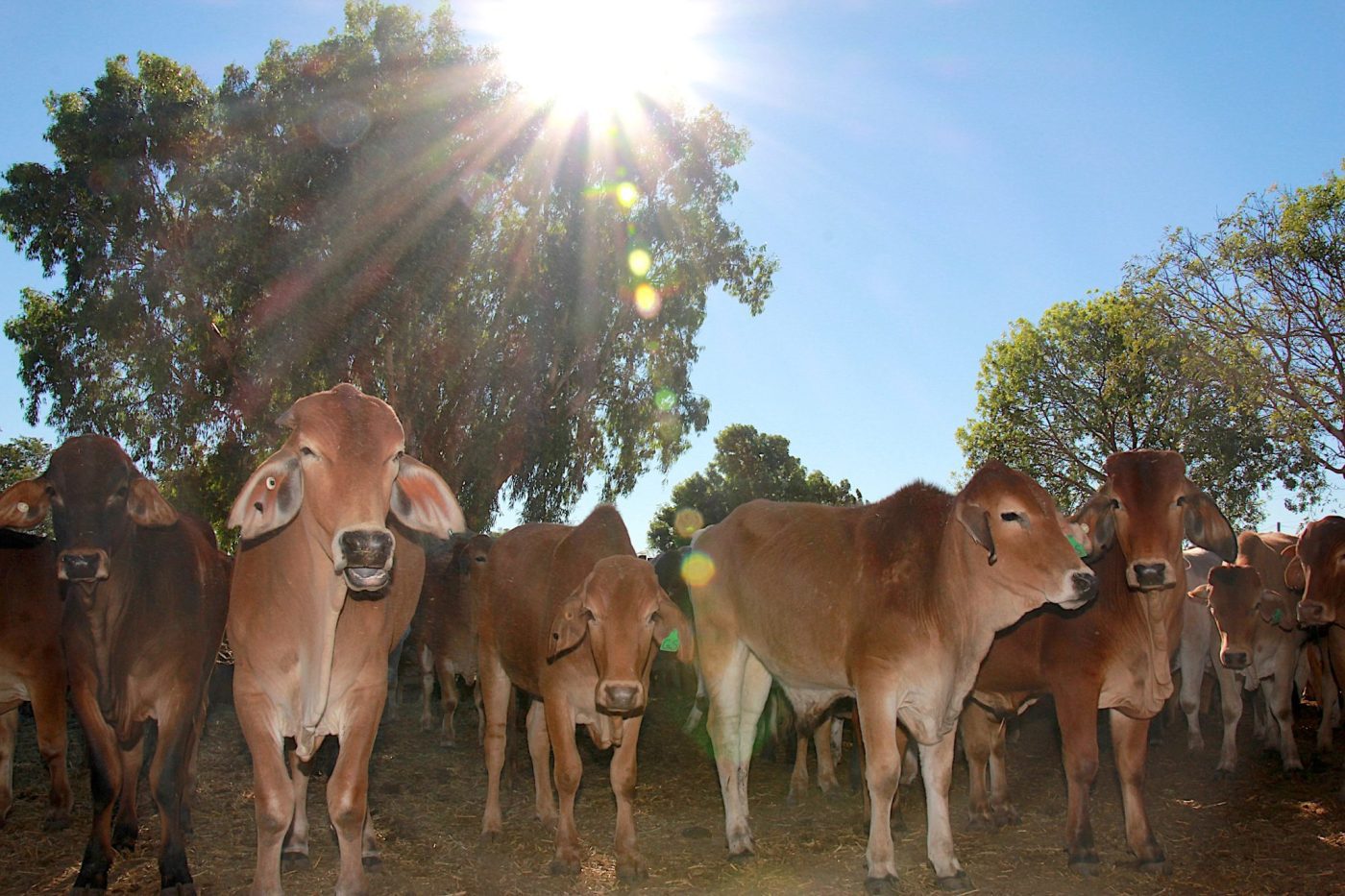
Prices for northern live export feeder steers into Indonesia have remained resilient with rates of $4/kg liveweight ex Darwin and higher for premium lines continuing to hold despite the seasonal lift in supply.
Ordinarily, prices tend to soften as northern stations move into their dry season mustering programs and larger numbers of cattle hit the market.
This year’s mustering season started later than usual following a prolonged wet season, but most stations across the north have now hit full stride.
With the fresh flush of cattle coming forward in June export orders tested the market at $3.80/kg, but the lower rates failed to attract significant numbers.
A key reason has been strong domestic competition, with Queensland backgrounders and feedlot operators continuing to outbid live exporters for suitable cattle.
That has largely shut exporters out of Queensland supply areas, leaving them to rely on Northern Territory cattle for Indonesian orders, with the more limited supply dynamics helping keep upward pressure on current prices.
 However, signals from Indonesia also show there undeniable mounting headwinds there, particularly due to Indonesia’s weakened currency and Government policies.
One industry source told Beef Central this week that Australian cattle have never been more expensive for Indonesian feedlots than they are now due to currency.
Explaining that dynamic, he said while the current Darwin feeder price of $4/kg remains well below the record $5.50/kg highs seen in 2022, the weaker Indonesian rupiah has dramatically lifted the overall local cost of imported cattle to Indonesian feedlots.
Because Australian cattle are traded and landed in US dollars, Indonesian importers must buy those US dollars in Rupiah, which has dropped significantly and is now at its weakest level against the US greenback in decades. That has effectively made the cost per head for Indonesian importers higher today than during the record-priced market four years ago.
At the same time, Indonesian feedlots continue to operate under government-imposed beef maximum price caps, limiting what they can charge for finished cattle, which means their margins are being squeezed from both sides.
That pressure at least partially explains the 21 percent reduction in Australian cattle exports to Indonesia for first five months of 2026 (165,433 head) compared to the same period last year (211,060).
Yet despite these pressures to their bottom line, Indonesian importers are continuing to keep regular shipments flowing from Australia, with 56,675 head imported in April and 39,756 in May – 19pc above and 6pc below the five year average for each month respectively.
One explanation offered for their resilience in the market was that Indonesian feedlots are not overstocked and, while expensive, Australian cattle are still needed because local cattle supplies remain tight following herd liquidations linked to foot-and-mouth disease and lumpy skin disease outbreaks.
On the shipping front, costs are reported to have been coming down, but ships available to trade from Australia are also said to be in tight supply with strong demand out of the Middle East for livestock from North Africa and South America, and lower costs and conditions for those markets, attracting more vessels to those routes.
Meanwhile strong demand from channel country and Central Qld restockers in particular is making it harder for the shipping trade to compete for the North West Queensland stock which usually help to supplement shipments from Darwin at this time of year.
May rain which stemmed the flow of cattle out of large parts of northern NSW and southern Queensland has also refocused feedlot buying attention back to the NW Qld region throughout June.