

WHILE environmental groups have been campaigning against the harvesting of timber from native forests for years, a not-for-profit organisation says there is untapped potential to use the practice for restoring stressed environments across the country.
The one factor that might make the economics stack up on extensive grazing land is the growing interest in biofuels.
Speaking at the recent Beef Up forum in Morven, Bill Schulke from Private Forestry Service Queensland explained the practice of silvoculture, which involves thinning out stands of regrowing native trees to allow for faster growth of timber producing trees. They harvest some trees, leaving habitat trees and other environmental corridors.
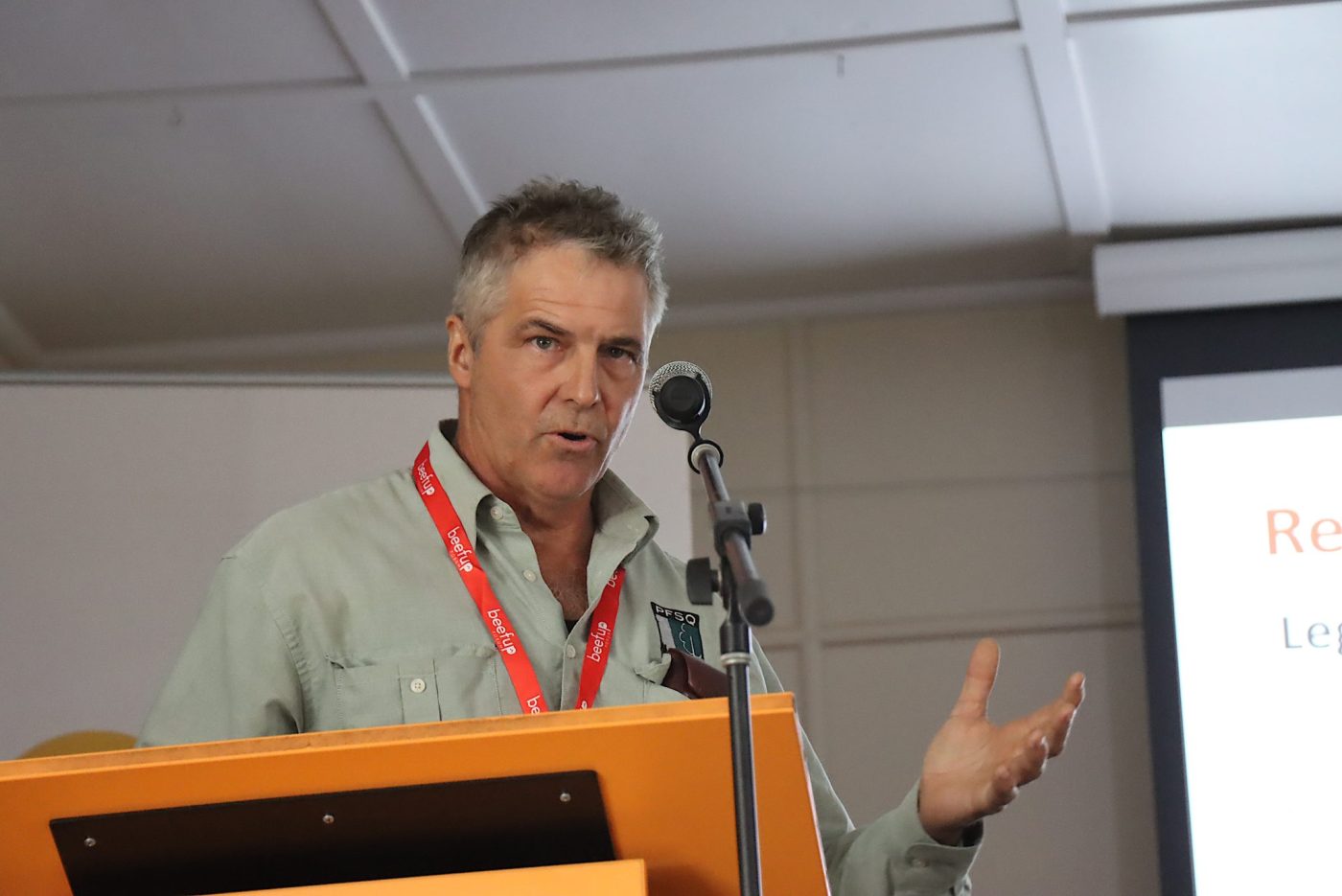 He said the practice made for healthier forests and had the potential restore tree-grass balance on grazing land that was becoming overrun with regrowth.
“We know native forests respond positively to silvoculture, most stands are overstocked with too many trees,” he said.
“They will self-thin to some degree, but generally speaking, there’s still way too many trees. Many of these stands are prone to catastrophic wildfires, we only have to see what happened in 2019-20 – an incredible loss of habitat and biodiversity.”
Mr Schulke pointed out the changing public perception of trees, with regulations like the recently updated Environmental Protection and Biodiversity Conservation Act and Europe’s ban on goods linked to deforestation.
He said some areas that have been legislated out re-clearing were allowed to be used for silvocutlure.
“What you are trying to avoid limiting basal area, which is basically the point where those forests lock up,” he said.
“You are not going to grow as much grass as what you would if there were no trees. But the average across those years is certainly higher than what it is if you don’t treat them.”
Making a market on extensive grazing land
While there was a mature market for hardwood timber on private land closer to the east coast, Mr Schulke said there was potential for more harvesting further west in the Maranoa and Western Downs regions.
He said most of the stands of cypress and hardwood were what the timber industry was after.
 “When you get into this more western country, there are hardwoods and gums but they’re just not really processed. What the local industry is chasing is cypress,”
“Cypress tends to regenerate in really heavy densities. I think there is work from New South Wales that has shown 120-year-old stands of cypress that are still in the whipstick form.
“This work was done 40-50 years ago, it is not new and it is not rocket science it is just that the DPI Forestry stopped treating forests 50 years ago. So, I think it is time we start looking at where the next cohort of timber products coming from.”
Mr Schulke said cattle stations were the most likely, however, a prolonged payback period was historically the issue. However, he said using the thinned trees for biofuel could fix that problem.
“If a biofuel plant wanted to set up in Roma and they need 100,000-200,000t of product, then you are talking significant areas where they can go and do these silvoculture resets,” he said.
“So, if the biofuel industry can pay for these silvoculture reset there is benefit to that and short-to-medium with the grazing benefits.
“But the big response comes in the next four-to-five years when you get that better growth in harvestable timber.”
Reducing reliance on imported timber
Mr Schulke said Australia had a genuine need to grow its timber pile, with a growing reliance on imported timber – much of it from countries with a higher risk of deforestation.
“Australia now imports 50pc of our timber products, 30 years ago we imported about a quarter of it,” he said.
“That is not because we have run of our forests or run out of timber, that is because state governments basically have looked to cease or limit native forest logging. Most of the timber we source is from pine plantations and even that has plateaued.
“We are not actually processing any more saw logs than we were three decades ago but our population has increased and demand for the produce has gone up. So, there are moves to try and grow the wood pile in Australia.”